Optimize Landing Page Design for Higher Conversions

Albert Pak
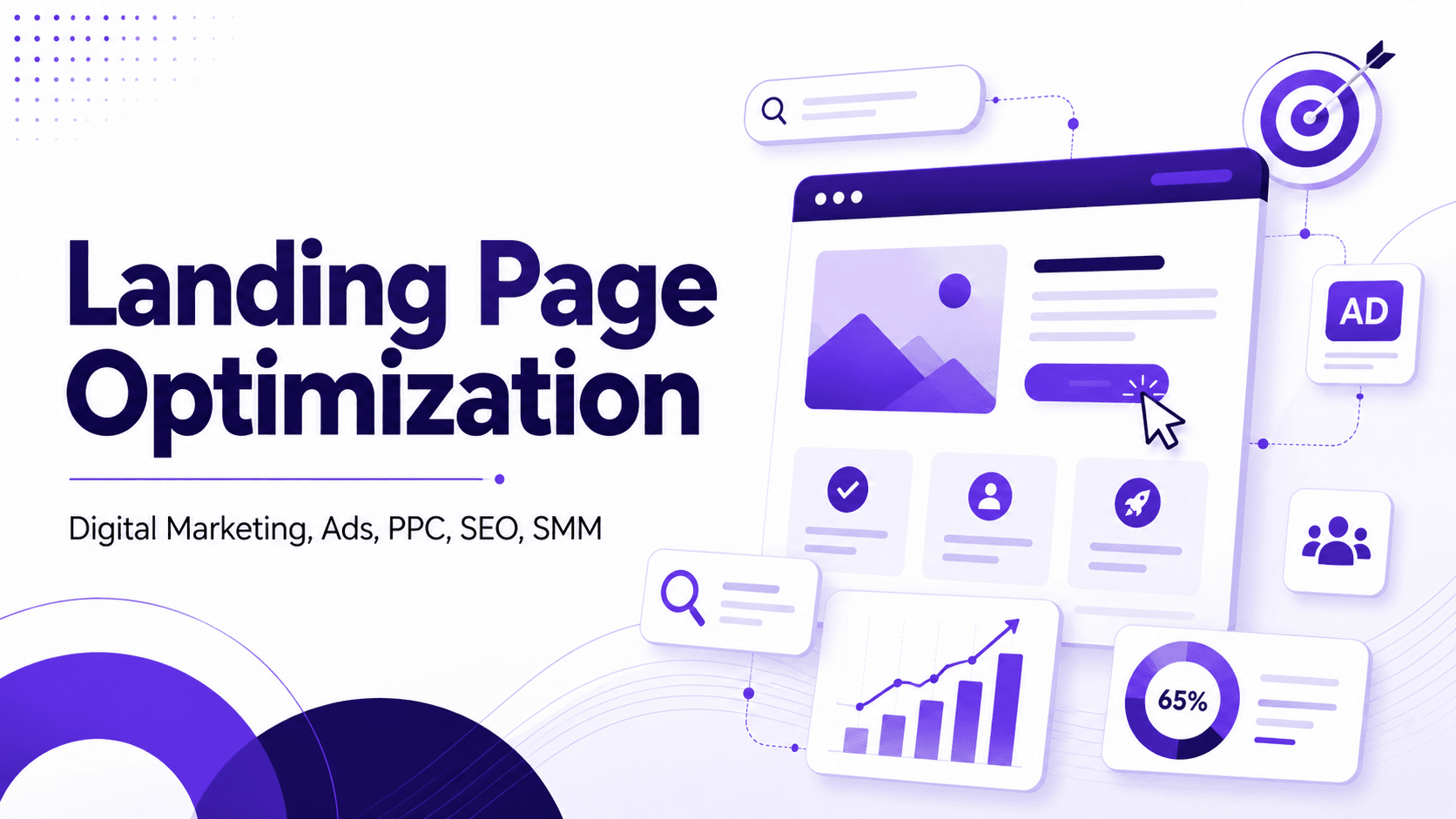
A well-designed landing page is crucial for converting visitors into customers. With the majority of online businesses competing for the same audience, optimizing your landing page design can be the difference between success and failure. In this article, we'll explore the key elements of landing page design and optimization, providing you with actionable steps to improve your conversion rates.
Understanding the Importance of Landing Page Optimization
Landing page optimization is the process of improving the design, content, and overall user experience of your landing page to increase conversions. A well-optimized landing page can significantly improve your return on investment (ROI) by reducing bounce rates, increasing engagement, and driving more sales.
Key Elements of a High-Converting Landing Page
To create a high-converting landing page, you need to focus on several key elements, including:
- Clear and concise headline: Your headline should clearly communicate the value proposition of your product or service.
- Compelling visual elements: Use high-quality images, videos, or graphics to capture the attention of your visitors.
- Simple and intuitive design: Ensure that your landing page is easy to navigate and free of distractions.
- Prominent call-to-action (CTA): Your CTA should be prominent, clear, and actionable.
- Social proof: Use customer testimonials, reviews, and ratings to build trust and credibility.
Practical Conversion Rate Optimization Techniques
To optimize your landing page design, you can use several practical techniques, including:
A/B Testing
A/B testing involves creating two versions of your landing page and testing them against each other to determine which one performs better. This can help you identify the most effective design elements, CTAs, and content.
Heatmap Analysis
Heatmap analysis involves using tools like heatmaps and click-tracking to understand how visitors interact with your landing page. This can help you identify areas of improvement and optimize your design.
User Feedback
Collecting user feedback through surveys, focus groups, or user testing can provide valuable insights into how visitors perceive your landing page.
Common Mistakes to Avoid
When optimizing your landing page design, there are several common mistakes to avoid, including:
- Cluttered and complex design: Avoid using too many elements, colors, or fonts, as this can be overwhelming and distracting.
- Weak or unclear CTA: Ensure that your CTA is clear, prominent, and actionable.
- Lack of social proof: Use customer testimonials, reviews, and ratings to build trust and credibility.
Measuring Success
To measure the success of your landing page optimization efforts, you need to track key metrics, including:
- Conversion rate: The percentage of visitors who complete a desired action.
- Bounce rate: The percentage of visitors who leave your landing page without taking any action.
- Average time on page: The amount of time visitors spend on your landing page.
Frequently Asked Questions
What is the ideal length of a landing page?
The ideal length of a landing page depends on the complexity of your product or service and the needs of your target audience.
How often should I test my landing page?
You should test your landing page regularly to identify areas of improvement and optimize your design.
What is the most important element of a landing page?
The most important element of a landing page is the headline, as it sets the tone for the rest of the page and communicates the value proposition.
Conclusion
Optimizing your landing page design is a crucial step in improving your conversion rates and driving more sales. By following the techniques outlined in this article, you can create a high-converting landing page that resonates with your target audience. Start by identifying areas of improvement, testing different design elements, and measuring your success. With BeaconMatch, you can take your landing page optimization to the next level and achieve your business goals. Take the first step today by analyzing your current landing page design and identifying opportunities for improvement.