Effective SaaS Landing Page Design and Optimization Strategies

Albert Pak
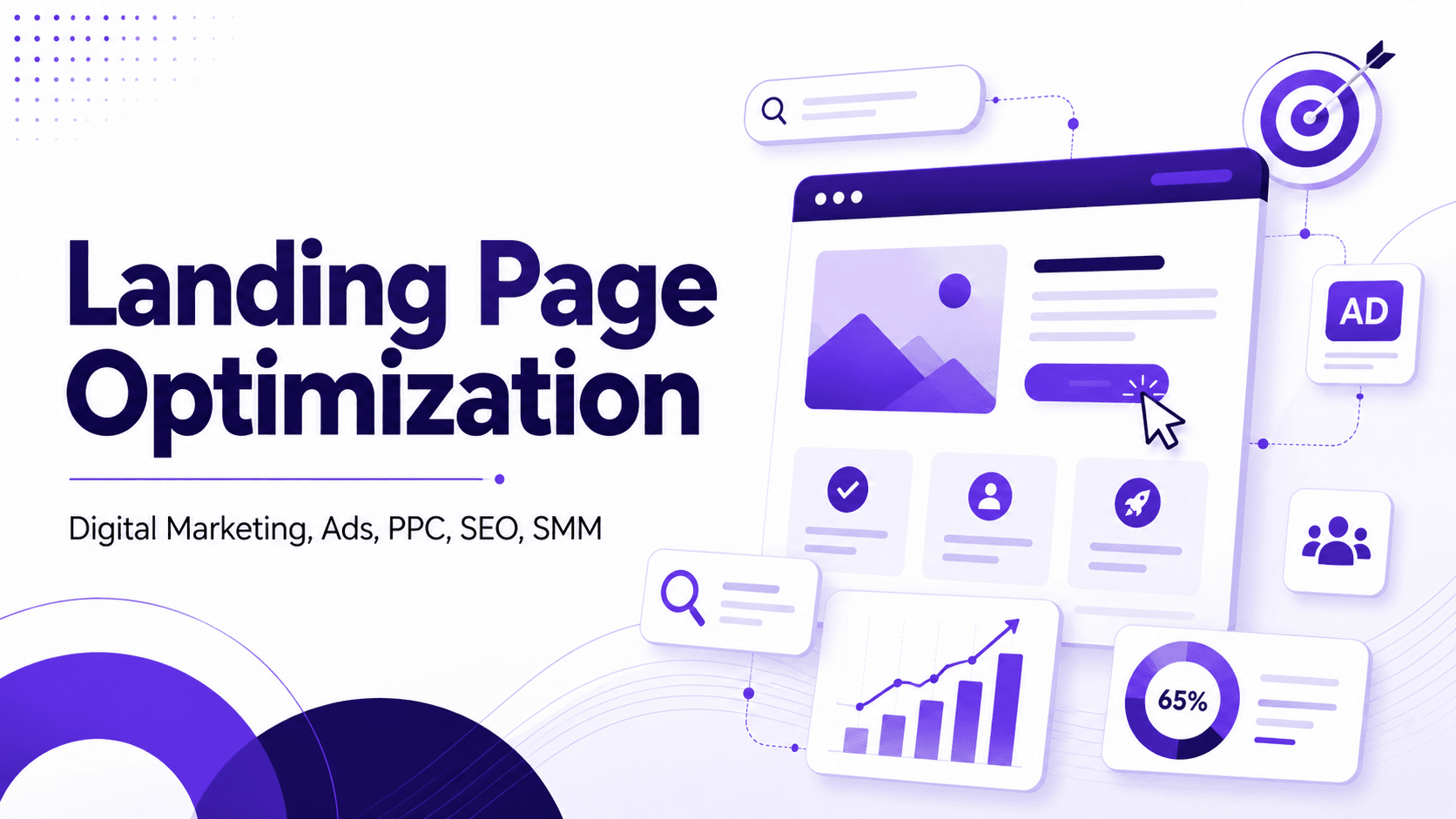
Understanding the Importance of SaaS Landing Pages
SaaS landing pages serve as dedicated entry points for your marketing campaigns, allowing you to focus on a specific offer or message. Unlike your homepage, a landing page is designed with a single goal in mind: to convert visitors into leads or customers.
Key Elements of a Successful SaaS Landing Page
To create a high-converting SaaS landing page, you'll need to incorporate several key elements:
- Clear and compelling headline: Your headline should immediately communicate the value of your SaaS product.
- Concise and focused messaging: Avoid clutter and ensure your message resonates with your target audience.
- Prominent call-to-action (CTA): Make it easy for visitors to take the desired action.
- Social proof and credibility indicators: Use customer testimonials, trust badges, and security certifications to build trust.
- Visual hierarchy and whitespace: Organize your content to guide visitors' attention effectively.
Crafting Compelling SaaS Landing Page Content
Your content should be tailored to your target audience's needs and pain points. Here are some tips for creating effective content:
- Focus on benefits, not features: Explain how your SaaS product solves problems or improves users' lives.
- Use clear, concise language: Avoid jargon and technical terms that might confuse your audience.
- Highlight unique selling points: Differentiate your product from competitors.
Using Visuals to Enhance Your SaaS Landing Page
Visual elements can significantly enhance your landing page's effectiveness. Consider incorporating:
- High-quality images or videos: Showcase your product in action or illustrate its benefits.
- Infographics: Present complex information in an easily digestible format.
- Screenshots or demos: Give visitors a clear understanding of your product's interface and functionality.
Optimizing Your SaaS Landing Page for Conversions
To maximize conversions, you'll need to continually test and refine your landing page. Here are some optimization strategies:
- A/B testing: Compare different versions of your landing page to identify top-performing elements.
- Heatmap analysis: Understand how visitors interact with your page and identify areas for improvement.
- Form optimization: Minimize friction by reducing the number of form fields and making it easy to submit.
Common SaaS Landing Page Mistakes to Avoid
When designing your SaaS landing page, be aware of these common pitfalls:
- Too much information: Keep your content focused and avoid overwhelming visitors.
- Weak or unclear CTAs: Ensure your call-to-action is prominent and compelling.
- Lack of social proof: Incorporate customer testimonials and trust indicators to build credibility.
Measuring and Improving SaaS Landing Page Performance
To continually improve your landing page's performance, you'll need to track key metrics and make data-driven decisions. Consider monitoring:
- Conversion rate: The percentage of visitors who complete the desired action.
- Bounce rate: The percentage of visitors who leave your page without taking any action.
- Average time on page: How long visitors spend on your landing page.
Frequently Asked Questions About SaaS Landing Pages
What is the ideal length for a SaaS landing page?
The ideal length depends on your product's complexity and the information visitors need to make a decision. Focus on providing necessary information without overwhelming your audience.
How often should I update my SaaS landing page?
Regularly review and update your landing page to reflect changes in your product, target audience, or marketing strategy.
Can I use the same landing page for multiple campaigns?
While possible, it's generally more effective to create targeted landing pages for specific campaigns or audience segments.
Conclusion and Next Steps
Creating an effective SaaS landing page requires careful planning, compelling content, and ongoing optimization. By implementing the strategies outlined in this article, you can improve your conversion rates and drive growth for your SaaS business. Start by auditing your current landing page and identifying areas for improvement. Then, use A/B testing and analytics to continually refine your approach and maximize ROI.