Boost Conversions: Expert Product Page Design Best Practices

Albert Pak
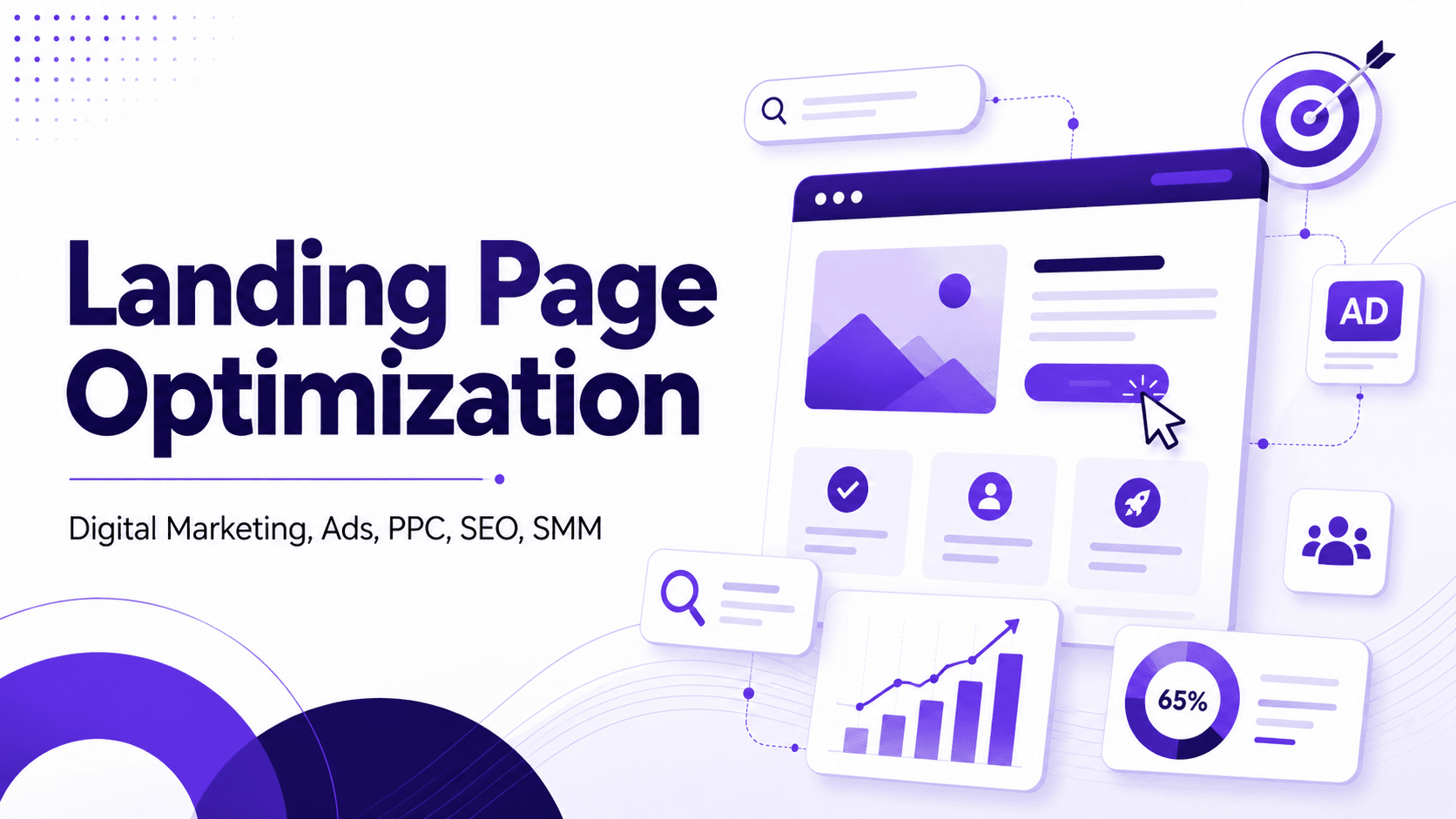
A well-designed product page is crucial for ecommerce success. It can make or break a sale. With the majority of customers abandoning their carts due to poor user experience, optimizing product page design is more important than ever. In this article, we'll explore the best practices for designing product pages that convert.
Understanding the Importance of Product Page Design
Product page design is not just about aesthetics; it's about creating a seamless user experience that drives conversions. A great product website can increase average order value, reduce bounce rates, and boost customer satisfaction. To achieve this, you need to understand your target audience, their pain points, and their buying behavior.
Key Elements of a High-Converting Product Page
- Clear and Concise Product Information: Provide detailed product descriptions, specifications, and high-quality product images.
- Compelling Product Benefits: Highlight the benefits of your product, rather than just listing features.
- Social Proof: Use customer reviews, ratings, and testimonials to build trust and credibility.
- Prominent Calls-to-Action (CTAs): Use clear and actionable CTAs to guide customers through the buying process.
- Streamlined Navigation: Ensure easy navigation and minimize distractions to keep customers focused on the product.
Designing for Conversion
To design a product page that converts, you need to put the customer at the forefront. This means understanding their needs, preferences, and pain points. Here are some actionable steps to help you get started:
- Conduct User Research: Gather feedback from customers to understand their expectations and pain points.
- Use High-Quality Product Images: Showcase your product from different angles, with zoom functionality and 360-degree views.
- Optimize Product Descriptions: Use clear, concise language and focus on the benefits of your product.
- Leverage Social Proof: Display customer reviews, ratings, and testimonials prominently on the product page.
- Test and Iterate: Continuously test and refine your product page design to optimize conversions.
Common Mistakes to Avoid
- Cluttered and Distracting Design: Avoid cluttering the page with too much information or distracting elements.
- Poor Mobile Optimization: Ensure your product page is optimized for mobile devices to cater to the growing mobile audience.
- Lack of Transparency: Be transparent about product pricing, shipping, and return policies to build trust with customers.
Measuring Success
To measure the success of your product page design, you need to track key performance indicators (KPIs) such as:
- Conversion Rate: Monitor the percentage of visitors who complete a purchase.
- Average Order Value (AOV): Track the average amount spent by customers in a single transaction.
- Bounce Rate: Measure the percentage of visitors who leave the site without taking action.
Tools for Measuring and Optimizing Product Page Performance
- Google Analytics: Use Google Analytics to track website traffic, conversion rates, and other key metrics.
- A/B Testing Tools: Utilize A/B testing tools like VWO or Optimizely to test and refine your product page design.
- Heatmap and Session Recording Tools: Use tools like Hotjar or Crazy Egg to analyze user behavior and identify areas for improvement.
Frequently Asked Questions
What are the most important elements of a product page?
The most important elements of a product page include clear and concise product information, compelling product benefits, social proof, prominent CTAs, and streamlined navigation.
How can I improve my product page conversion rate?
To improve your product page conversion rate, focus on understanding your target audience, conducting user research, using high-quality product images, and leveraging social proof.
What are some common mistakes to avoid when designing a product page?
Common mistakes to avoid include cluttered and distracting design, poor mobile optimization, and lack of transparency about product pricing, shipping, and return policies.
Conclusion
Designing a product page that converts requires a deep understanding of your target audience and a focus on creating a seamless user experience. By following the best practices outlined in this article, you can optimize your product page design and drive more conversions. Start by conducting user research, using high-quality product images, and leveraging social proof. Continuously test and refine your design to ensure you're maximizing your ecommerce potential. Take the first step today and transform your product website into a conversion powerhouse with BeaconMatch's expert guidance.