Optimize Landing Page Design for Higher Conversions

Albert Pak
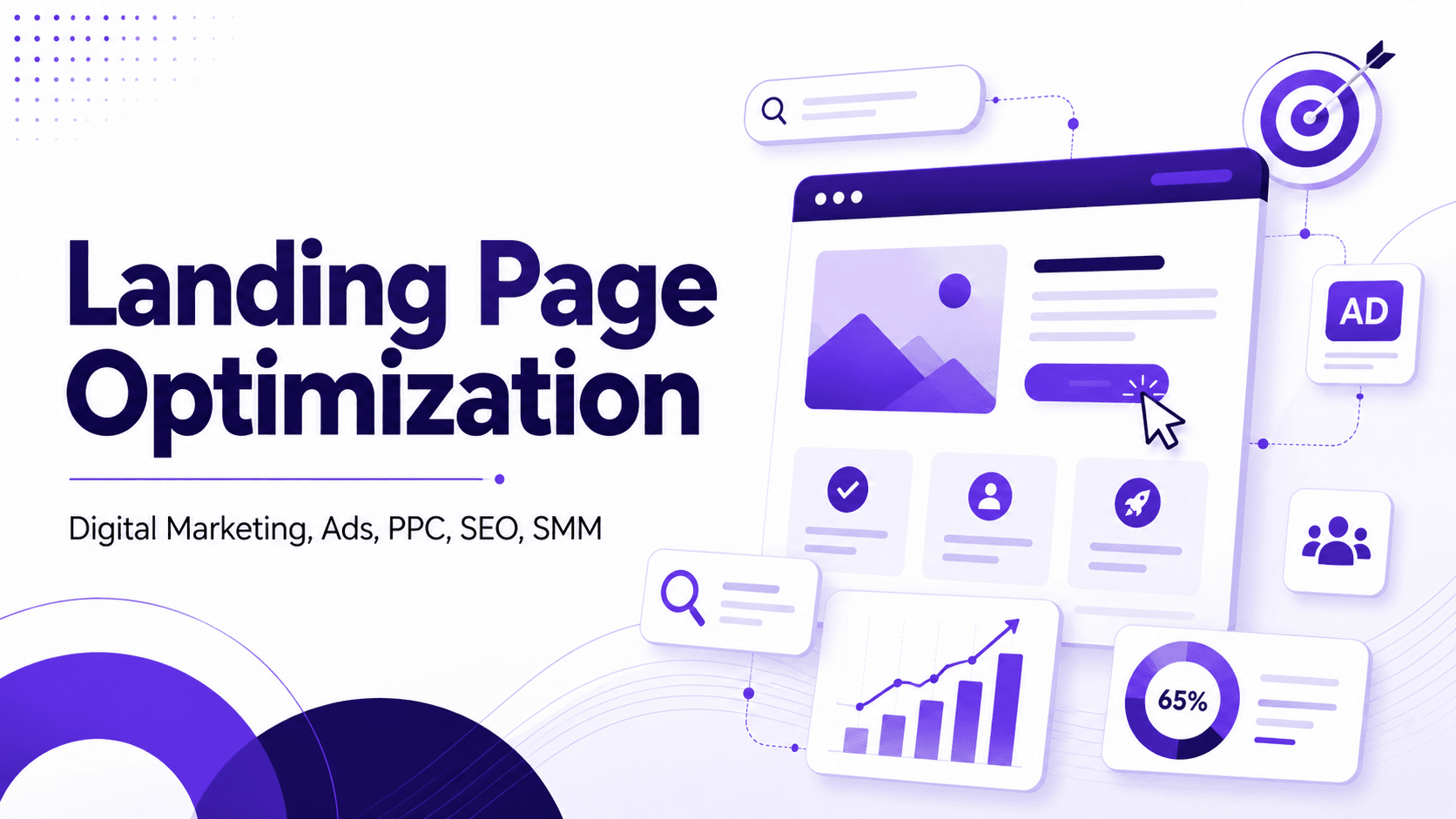
Creating effective landing pages is crucial for marketers, growth teams, ecommerce operators, SaaS teams, and agency strategists aiming to improve website conversion rates. A well-designed landing page can significantly enhance user experience and drive conversions. In this article, we'll explore the key elements of landing page design and optimization, with a focus on personalization.
Understanding Landing Page Personalization
Landing page personalization involves tailoring the content and design of a landing page to match the specific needs and preferences of individual visitors. This can be achieved through various techniques, including audience segmentation, dynamic content, and behavioral targeting.
Benefits of Personalized Landing Pages
Personalized landing pages offer several benefits, including:
- Improved conversion rates: By presenting relevant content and offers, you can increase the likelihood of converting visitors into customers.
- Enhanced user experience: Personalized landing pages provide a more tailored and engaging experience for visitors, leading to increased satisfaction and loyalty.
- Better ROI: By optimizing landing pages for specific audience segments, you can maximize your return on investment (ROI) from marketing campaigns.
Key Elements of Effective Landing Page Design
Effective landing page design involves several key elements, including:
Clear and Concise Messaging
Clear and concise messaging is critical for capturing visitors' attention and communicating your value proposition. Ensure that your headline, subheadings, and body copy are concise, relevant, and compelling.
Relevant and Engaging Visuals
Visual elements, such as images and videos, can significantly enhance the appeal and effectiveness of your landing page. Use high-quality, relevant visuals that support your messaging and resonate with your target audience.
Prominent Call-to-Actions (CTAs)
A clear and prominent CTA is essential for driving conversions. Ensure that your CTA is visible, actionable, and aligned with your landing page's purpose.
Mobile-Friendliness and Responsiveness
With the majority of users accessing websites through mobile devices, it's crucial to ensure that your landing page is mobile-friendly and responsive. This involves optimizing your design for various screen sizes and devices.
Optimizing Landing Pages for Conversions
Optimizing landing pages for conversions involves several techniques, including:
A/B Testing and Multivariate Testing
A/B testing and multivariate testing enable you to compare different versions of your landing page and identify the most effective elements. This involves testing variables such as headlines, CTAs, and visuals.
Heatmap and Click-Tracking Analysis
Heatmap and click-tracking analysis provide valuable insights into user behavior on your landing page. By analyzing these metrics, you can identify areas for improvement and optimize your design accordingly.
User Feedback and Surveys
Collecting user feedback and surveys can provide valuable insights into visitors' needs and preferences. This information can be used to inform design and optimization decisions.
Common Mistakes to Avoid
When designing and optimizing landing pages, there are several common mistakes to avoid, including:
- Cluttered and confusing design
- Irrelevant or low-quality visuals
- Weak or unclear messaging
- Poorly optimized CTAs
- Failure to test and iterate
Measuring Landing Page Performance
To measure the effectiveness of your landing page, track key metrics such as:
- Conversion rate
- Bounce rate
- Average time on page
- Click-through rate (CTR)
Frequently Asked Questions
What is the ideal length for a landing page?
The ideal length for a landing page depends on the specific goals and audience. While some landing pages can be effective with minimal content, others may require more detailed information to drive conversions.
How often should I test and optimize my landing page?
Regular testing and optimization are crucial for maximizing landing page performance. Aim to test and iterate at least quarterly, or more frequently if possible.
Can I use the same landing page for multiple audience segments?
While it's possible to use a single landing page for multiple audience segments, personalization is generally more effective. Consider creating separate landing pages or using dynamic content to tailor the experience for each segment.
Conclusion
Designing and optimizing landing pages is a critical aspect of improving website conversion rates. By focusing on personalization, clear messaging, and effective design elements, you can create landing pages that drive conversions and enhance user experience. To take your landing page optimization to the next level, consider leveraging tools like BeaconMatch to streamline your workflow and maximize ROI. Start by auditing your current landing pages, identifying areas for improvement, and implementing data-driven optimization strategies.