Boost Conversions: Expert Mobile App Landing Page Design & Optimization

Albert Pak
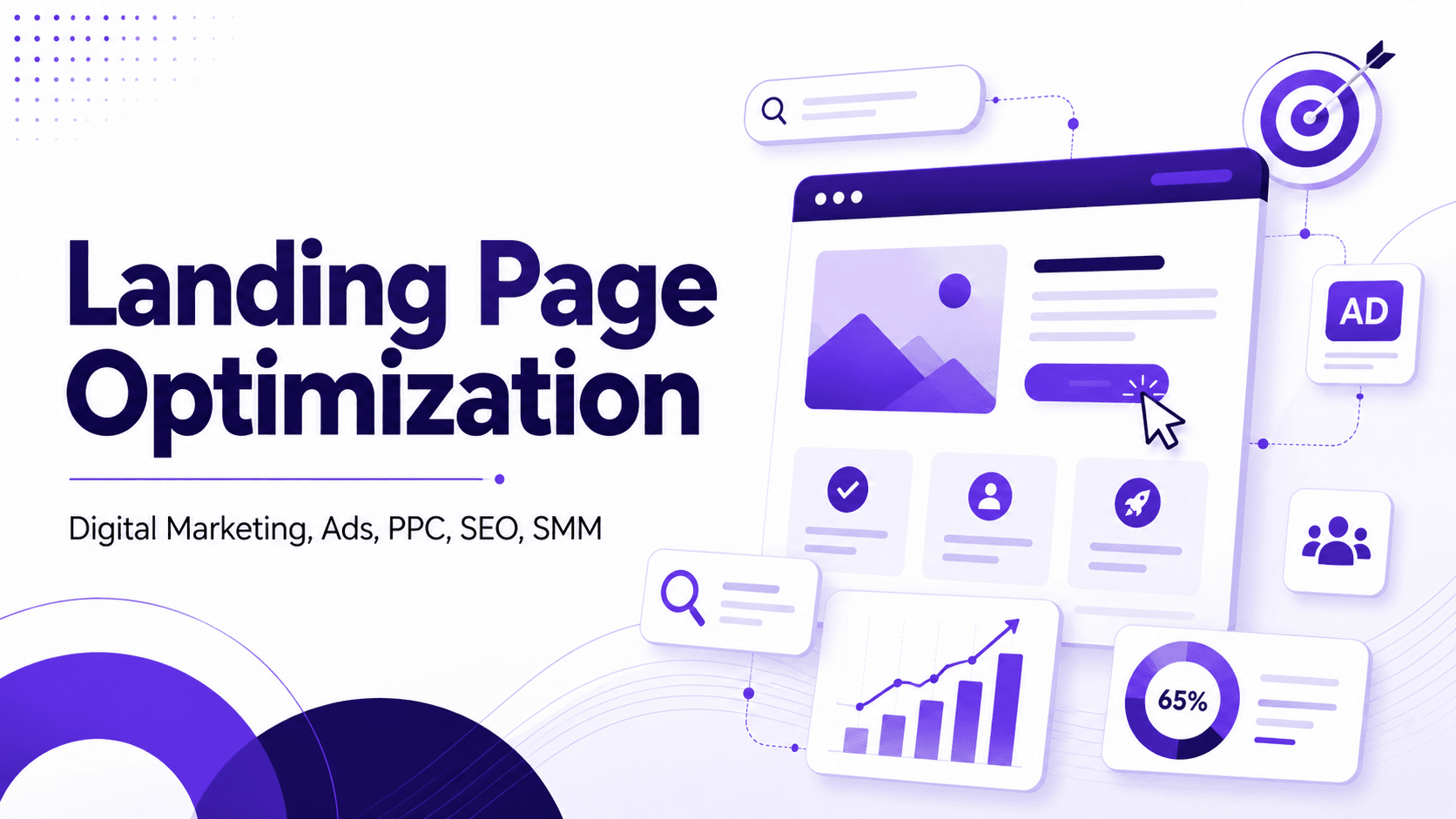
As a marketer, growth team, ecommerce operator, SaaS team, or agency strategist, you're likely no stranger to the importance of a well-designed landing page in driving conversions. With the majority of users accessing apps through mobile devices, a mobile app landing page is crucial in capturing their attention and encouraging downloads. In this article, we'll explore the key elements of a high-converting mobile app landing page, discuss design and optimization techniques, and provide actionable steps to improve your app's visibility and downloads.
Understanding the Importance of Mobile App Landing Pages
A mobile app landing page serves as a dedicated destination for users to learn about your app, its features, and benefits. Its primary goal is to persuade visitors to download or purchase your app. With a well-designed landing page, you can increase conversions, reduce bounce rates, and ultimately drive revenue.
Key Elements of a High-Converting Mobile App Landing Page
To create an effective mobile app landing page, consider the following essential elements:
Clear and Concise Headline
Your headline should clearly communicate your app's value proposition and grab the user's attention. Ensure it's concise, yet descriptive, and resonates with your target audience.
Compelling Visuals
Incorporate high-quality visuals, such as images or videos, to showcase your app's features and user experience. This helps users understand your app's functionality and builds trust.
Prominent Call-to-Action (CTA)
Your CTA should be prominent, actionable, and clearly visible. Use action-oriented language, such as "Download Now" or "Get Started," to encourage users to take the desired action.
Key Features and Benefits
Highlight your app's key features and benefits to help users understand its value. Use concise language and bullet points to make it easy to scan.
Social Proof
Incorporate social proof, such as customer testimonials, reviews, or ratings, to build credibility and trust with potential users.
Design and Optimization Techniques for Mobile App Landing Pages
To optimize your mobile app landing page for conversions, consider the following techniques:
Simplify Your Design
Ensure your landing page is clean, simple, and easy to navigate. Avoid clutter and focus on the essential elements that drive conversions.
Use Responsive Design
With the majority of users accessing your landing page through mobile devices, a responsive design is crucial. Ensure your page adapts to different screen sizes and devices.
Optimize for Page Speed
Page speed is critical in determining user experience and conversion rates. Optimize your page's loading speed by compressing images, minifying code, and leveraging browser caching.
A/B Testing
Continuously test and refine your landing page to identify areas for improvement. Use A/B testing to compare different variations of your page and determine which elements drive the most conversions.
Common Mistakes to Avoid
When designing and optimizing your mobile app landing page, avoid the following common mistakes:
Poor Mobile Optimization
Failing to optimize your landing page for mobile devices can result in a poor user experience and lower conversion rates.
Lack of Clear CTAs
Unclear or missing CTAs can confuse users and reduce conversions. Ensure your CTA is prominent and actionable.
Insufficient Social Proof
Lacking social proof can make it challenging to build trust with potential users. Incorporate customer testimonials, reviews, or ratings to establish credibility.
Measuring Success
To determine the effectiveness of your mobile app landing page, track the following key performance indicators (KPIs):
Conversion Rate
Monitor your conversion rate to determine the percentage of users who complete the desired action.
Bounce Rate
Track your bounce rate to identify users who leave your page without taking action.
Average Session Duration
Measure the average time users spend on your page to gauge their level of engagement.
Frequently Asked Questions
What is the ideal length for a mobile app landing page?
The ideal length for a mobile app landing page varies depending on the complexity of your app and the amount of information you need to convey. Ensure your page is concise and focused on the essential elements that drive conversions.
How often should I update my mobile app landing page?
Regularly update your landing page to reflect changes to your app, new features, or shifts in your marketing strategy.
Can I use the same landing page for multiple apps?
While it's possible to use the same landing page for multiple apps, it's generally recommended to create separate pages for each app to ensure a tailored experience and maximize conversions.
Conclusion
Creating a high-converting mobile app landing page requires careful consideration of design and optimization techniques. By incorporating essential elements, such as clear headlines, compelling visuals, and prominent CTAs, you can drive conversions and improve your app's visibility. Continuously test and refine your page to identify areas for improvement, and track key KPIs to measure success. By following these strategies, you can create a mobile app landing page that effectively drives downloads and revenue.
Take the next step in optimizing your mobile app landing page by analyzing your current page's performance, identifying areas for improvement, and implementing the techniques discussed in this article. With a well-designed and optimized landing page, you can significantly improve your app's conversion rates and drive business growth.