Maximize ROI with Effective Paid Advertising and PPC Campaigns

Albert Pak
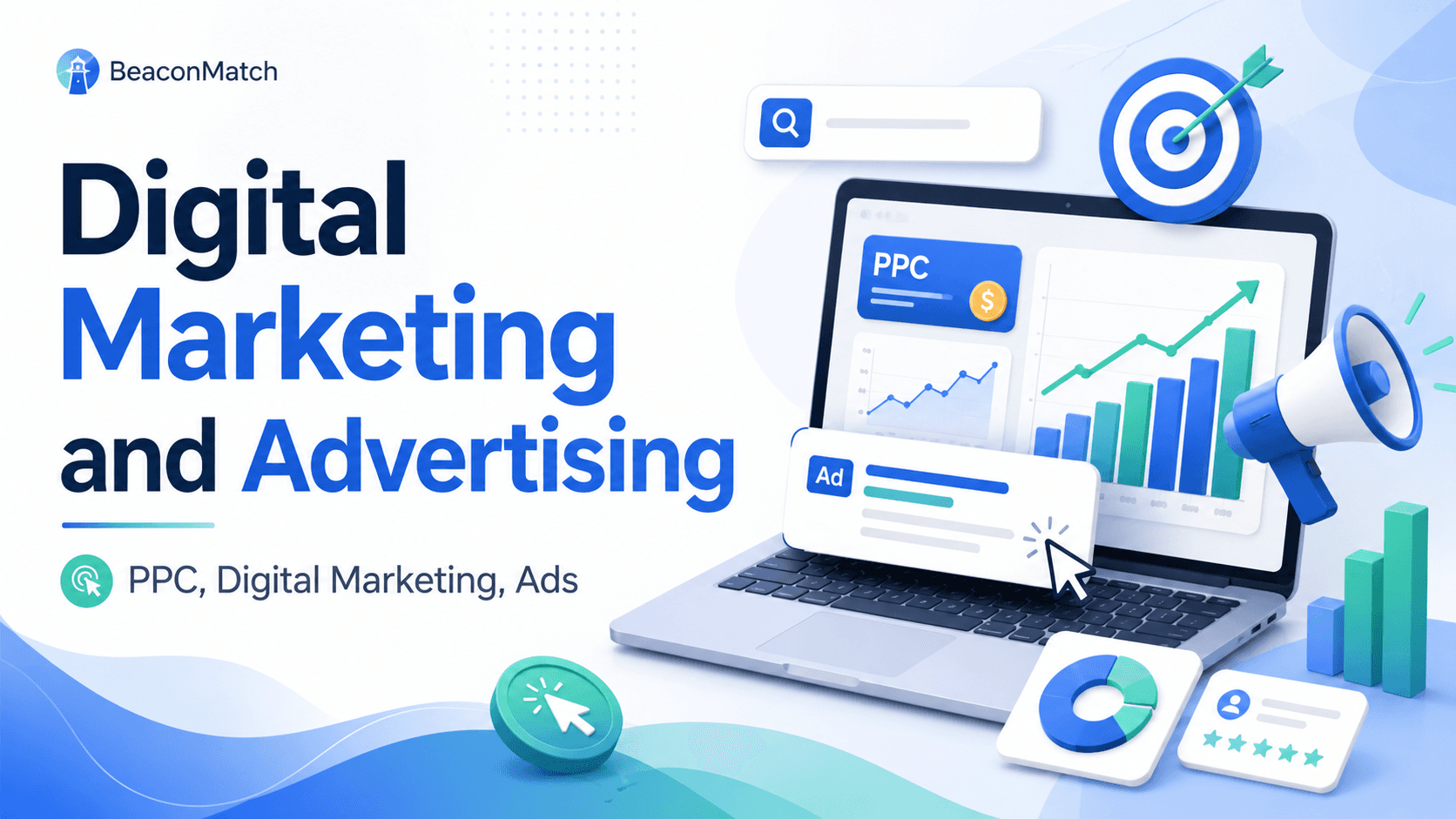
Paid advertising and PPC (Pay-Per-Click) campaigns are crucial components of a successful digital marketing strategy. By leveraging these channels effectively, businesses can increase their online visibility, drive targeted traffic, and ultimately boost conversions. In this article, we'll explore the ins and outs of creating a successful paid advertising and PPC campaign strategy.
Understanding Paid Advertising and PPC
Paid advertising involves paying a platform or publisher to display your ads to a targeted audience. PPC is a specific type of paid advertising where you pay each time a user clicks on your ad. The most popular PPC platforms include Google Ads, Facebook Ads, and LinkedIn Ads.
Benefits of Paid Advertising and PPC
- Targeted Reach: Paid advertising and PPC allow you to target specific demographics, interests, and behaviors, ensuring your ads are seen by the most relevant audience.
- Measurable ROI: With PPC, you can track the performance of your ads and measure the return on investment (ROI) with ease.
- Flexibility: Paid advertising and PPC campaigns can be adjusted in real-time to optimize performance and improve results.
Creating a Successful Paid Advertising and PPC Campaign
To create a successful paid advertising and PPC campaign, follow these steps:
- Define Your Goals: Clearly outline what you want to achieve with your campaign, whether it's driving website traffic, generating leads, or boosting sales.
- Conduct Keyword Research: Identify relevant keywords and phrases your target audience uses to search for products or services like yours.
- Develop Compelling Ad Copy: Craft ad copy that resonates with your target audience and drives clicks.
- Optimize Your Landing Pages: Ensure your landing pages are optimized for conversions, with clear calls-to-action and relevant content.
- Set Up Conversion Tracking: Track conversions and measure the success of your campaign.
Best Practices for Paid Advertising and PPC
- Use Relevant Ad Extensions: Ad extensions like site links and callouts can improve ad visibility and drive more conversions.
- Monitor and Optimize: Continuously monitor your campaign's performance and make data-driven decisions to optimize and improve results.
- Use Negative Keywords: Negative keywords can help prevent irrelevant clicks and improve campaign efficiency.
Measuring and Optimizing Campaign Performance
To measure the success of your paid advertising and PPC campaign, track key performance indicators (KPIs) such as:
- Click-Through Rate (CTR): The percentage of users who click on your ad after seeing it.
- Conversion Rate: The percentage of users who complete a desired action after clicking on your ad.
- Cost Per Conversion (CPC): The cost of achieving a conversion.
Common Mistakes to Avoid
- Poor Keyword Selection: Failing to conduct thorough keyword research can lead to irrelevant traffic and wasted budget.
- Inadequate Ad Copy: Weak ad copy can fail to resonate with your target audience and drive clicks.
- Suboptimal Landing Pages: Poorly optimized landing pages can lead to high bounce rates and low conversion rates.
Frequently Asked Questions
What is the difference between paid advertising and PPC?
Paid advertising is a broader term that encompasses various forms of advertising, while PPC is a specific type of paid advertising where you pay per click.
How do I optimize my PPC campaign for better ROI?
To optimize your PPC campaign, focus on relevant keyword selection, compelling ad copy, and optimized landing pages.
What are the most effective PPC platforms?
The most effective PPC platforms include Google Ads, Facebook Ads, and LinkedIn Ads, depending on your target audience and goals.
Conclusion
Creating a successful paid advertising and PPC campaign requires careful planning, execution, and ongoing optimization. By following the strategies and best practices outlined in this article, you can maximize your ROI and drive meaningful results for your business. To take your paid advertising and PPC campaigns to the next level, consider leveraging tools like BeaconMatch to streamline your workflow and improve campaign performance. Start by defining your goals and conducting thorough keyword research to lay the foundation for a successful campaign.