Optimize Lead Generation Landing Pages for Higher Conversions

Albert Pak
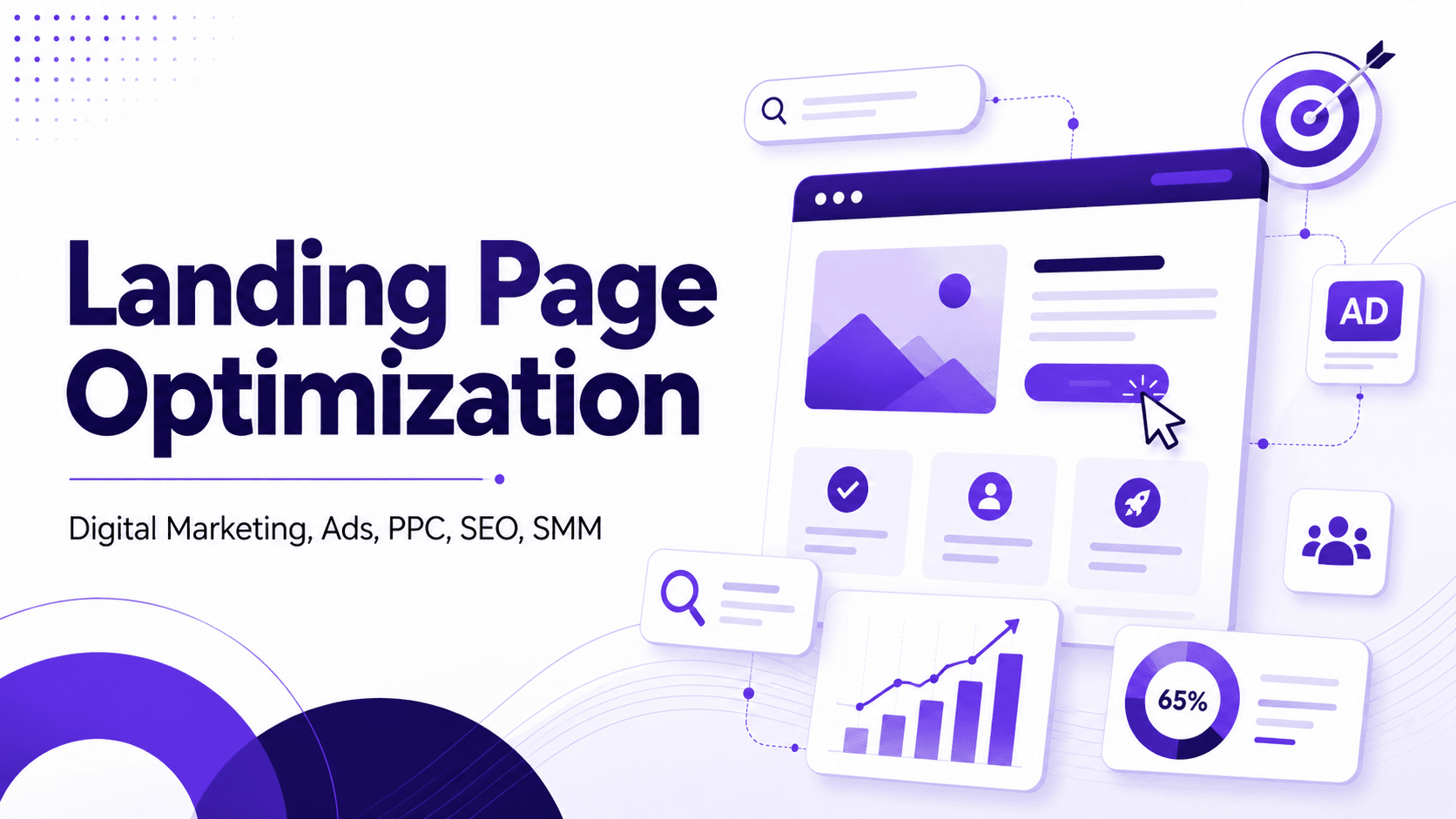
A well-designed landing page is crucial for capturing leads and driving conversions. Most lead generation landing pages want visitors to take a specific action, such as filling out a form, making a purchase, or subscribing to a service. In this article, we'll explore the key elements of effective landing page design and optimization, providing you with actionable tips and best practices to improve your website's conversion rates.
Understanding the Purpose of a Lead Generation Landing Page
The primary goal of a lead generation landing page is to capture visitor information, typically through a form, in exchange for something of value, such as an eBook, webinar, or free trial. To achieve this, the page must be designed with a clear understanding of the target audience and their needs.
Identifying Your Target Audience
To create an effective lead generation landing page, you need to understand who your ideal customer is, what their pain points are, and what motivates them to take action. This involves conducting market research, analyzing customer data, and creating buyer personas.
Key Elements of Effective Landing Page Design
A well-designed landing page should have a clear and concise message, a prominent call-to-action (CTA), and a visually appealing layout. Here are some key elements to consider:
Clear and Concise Headlines
Your headline should clearly communicate the value proposition of your offer and grab the visitor's attention. It should be concise, yet informative, and relevant to the visitor's needs.
Compelling Visuals
Using high-quality images, videos, or graphics can help to capture the visitor's attention and communicate your message more effectively. Ensure that your visuals are relevant to your offer and support your headline.
Prominent Call-to-Action (CTA)
Your CTA should be prominent, clear, and actionable. Use action-oriented language, such as "Download Now" or "Sign Up Today," and ensure that it stands out from the rest of the page.
Simple and Intuitive Forms
Your form should be easy to fill out and require only the necessary information. Avoid asking for too much information, as this can lead to form abandonment.
Optimizing Your Landing Page for Conversions
Optimizing your landing page for conversions involves testing and refining various elements to improve performance. Here are some strategies to consider:
A/B Testing
A/B testing involves creating two versions of your landing page and testing them against each other to see which one performs better. This can help you identify which elements are driving conversions and make data-driven decisions.
Mobile Optimization
With the majority of users accessing websites through mobile devices, it's essential to ensure that your landing page is optimized for mobile. This includes using responsive design, fast loading times, and easy-to-use forms.
Reducing Friction
Reducing friction involves removing any obstacles that may prevent visitors from converting. This can include simplifying forms, reducing the number of fields required, and providing clear instructions.
Measuring and Analyzing Performance
To optimize your landing page for conversions, you need to measure and analyze its performance. Here are some key metrics to track:
Conversion Rate
Your conversion rate is the percentage of visitors who complete the desired action. Tracking this metric can help you identify areas for improvement.
Bounce Rate
Your bounce rate is the percentage of visitors who leave your page without taking any action. A high bounce rate can indicate that your page is not relevant or engaging.
Form Abandonment Rate
Your form abandonment rate is the percentage of visitors who start filling out your form but don't complete it. Tracking this metric can help you identify issues with your form.
Frequently Asked Questions
What is the ideal length for a lead generation landing page?
The ideal length for a lead generation landing page varies depending on the offer and the target audience. However, it's generally recommended to keep it concise and focused on the key message.
How often should I test and optimize my landing page?
You should test and optimize your landing page regularly to ensure it remains effective. This can involve A/B testing, analyzing performance data, and making data-driven decisions.
What are some common mistakes to avoid when designing a lead generation landing page?
Common mistakes to avoid include having a unclear or confusing message, too many form fields, and a lack of mobile optimization.
Conclusion
Designing and optimizing a lead generation landing page requires a deep understanding of your target audience and their needs. By incorporating the key elements of effective landing page design, optimizing for conversions, and measuring performance, you can improve your website's conversion rates and drive business growth. To take your lead generation to the next level, consider testing and refining your landing page regularly, and exploring additional strategies, such as personalization and segmentation, to further optimize your results. With BeaconMatch, you can create high-converting landing pages that drive real results for your business.