Maximize Conversions: Ultimate Guide to Landing Page Design and Optimization

Albert Pak
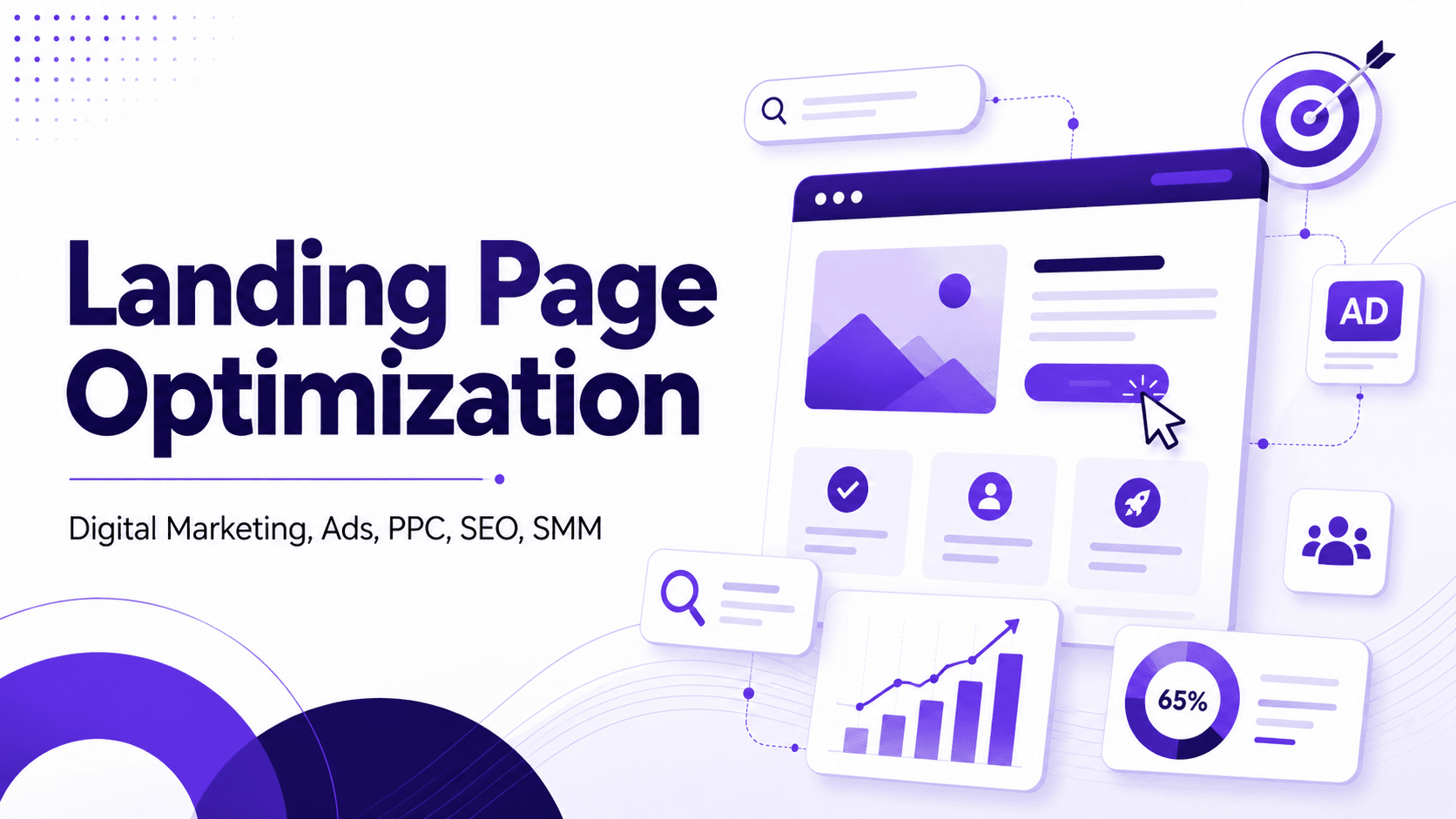
As a marketer, growth team, ecommerce operator, SaaS team, or agency strategist, you're likely no stranger to the importance of lead capture landing pages in driving conversions and business growth. A well-designed and optimized landing page can be the difference between a successful campaign and a failed one. In this comprehensive guide, we'll dive into the world of landing page design and optimization, exploring the best practices, techniques, and strategies to help you maximize your conversion rates.
Understanding Lead Capture Landing Pages
A lead capture landing page is a standalone web page designed to capture a visitor's information, typically in exchange for a valuable resource, offer, or service. The primary goal of a lead capture landing page is to encourage visitors to take a specific action, such as filling out a form, making a purchase, or subscribing to a newsletter.
Key Elements of a Lead Capture Landing Page
To create an effective lead capture landing page, you'll need to incorporate several key elements, including:
- A clear and compelling headline that grabs the visitor's attention
- A concise and persuasive copy that communicates the value proposition
- A prominent and user-friendly form that makes it easy for visitors to take action
- A visually appealing design that aligns with your brand and resonates with your target audience
- A strong call-to-action (CTA) that encourages visitors to take the desired action
Designing for Conversions
When it comes to designing a lead capture landing page, there are several best practices to keep in mind. Here are a few key considerations:
Keep it Simple and Focused
A cluttered and complex design can be overwhelming and distracting, making it harder for visitors to focus on the desired action. Keep your design simple, clean, and focused on the key elements that drive conversions.
Use Visual Hierarchy
A clear visual hierarchy is essential for guiding visitors through the page and drawing attention to the most important elements. Use size, color, and positioning to create a clear visual flow that directs visitors towards the CTA.
Optimize for Mobile
With the majority of web traffic coming from mobile devices, it's essential to ensure that your landing page is optimized for mobile. Use responsive design, large CTAs, and concise copy to create a seamless mobile experience.
Optimizing for Conversions
Design is just the first step in creating a high-converting lead capture landing page. To truly maximize your conversion rates, you'll need to optimize your page for performance. Here are a few key strategies to consider:
Use A/B Testing
A/B testing is a powerful technique for identifying areas of improvement and optimizing your landing page for conversions. Test different headlines, CTAs, images, and copy to identify the winning combination that drives the most conversions.
Leverage Social Proof
Social proof is a powerful psychological trigger that can help build trust and credibility with your visitors. Use customer testimonials, reviews, and ratings to demonstrate social proof and increase conversions.
Minimize Form Fields
The fewer form fields you have, the higher the conversion rate is likely to be. Minimize the number of fields required to complete the form, and consider using progressive profiling to collect additional information over time.
Common Mistakes to Avoid
When creating a lead capture landing page, there are several common mistakes to avoid. Here are a few key pitfalls to watch out for:
Poor Mobile Optimization
Failing to optimize your landing page for mobile can result in a poor user experience and lower conversion rates.
Too Many Form Fields
Requiring too much information from visitors can lead to form abandonment and lower conversion rates.
Lack of Social Proof
Failing to incorporate social proof can make it harder to build trust and credibility with visitors.
Measuring Success
To truly optimize your lead capture landing page, you'll need to track and measure its performance. Here are a few key metrics to consider:
Conversion Rate
The conversion rate is the percentage of visitors who complete the desired action. Track your conversion rate to identify areas for improvement.
Cost Per Acquisition (CPA)
CPA measures the cost of acquiring a new customer or lead. Track your CPA to ensure that your landing page is delivering a positive ROI.
Bounce Rate
The bounce rate measures the percentage of visitors who leave the page without taking action. Track your bounce rate to identify areas for improvement.
FAQs
What is a lead capture landing page?
A lead capture landing page is a standalone web page designed to capture a visitor's information in exchange for a valuable resource, offer, or service.
How do I optimize my landing page for conversions?
To optimize your landing page for conversions, use A/B testing, leverage social proof, minimize form fields, and ensure a clear and compelling headline and copy.
What are the most important elements of a lead capture landing page?
The most important elements of a lead capture landing page include a clear headline, concise copy, a prominent form, and a strong CTA.
Conclusion
Creating a high-converting lead capture landing page requires a combination of good design, optimization, and strategy. By following the best practices and techniques outlined in this guide, you can create a landing page that drives real results for your business. To take your landing page to the next level, consider using a tool like BeaconMatch to streamline your design and optimization process. Start optimizing your landing page today and watch your conversion rates soar.