Optimizing Landing Page with Form Design for Higher Conversions

Albert Pak
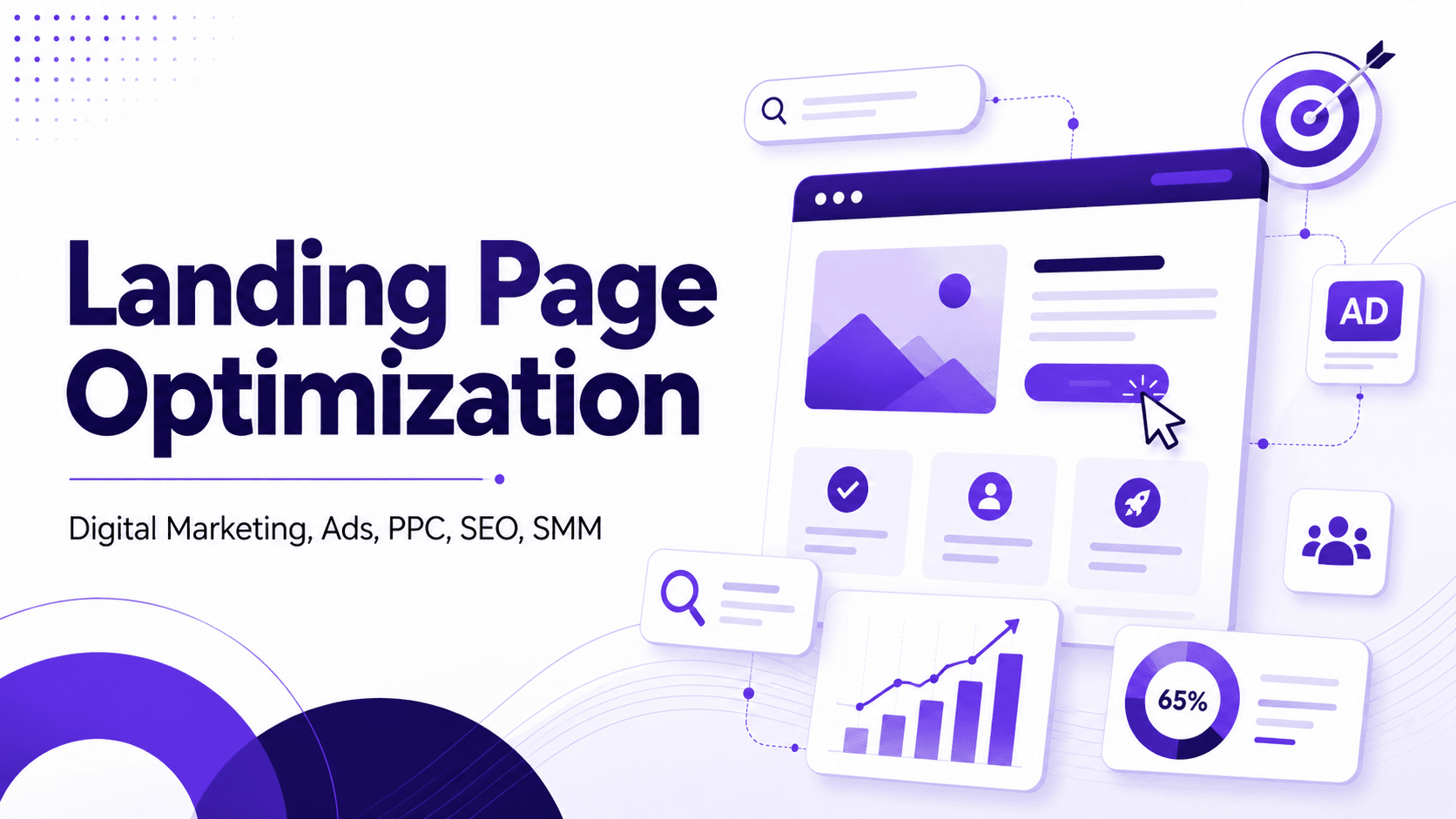
Understanding the Importance of Landing Pages with Forms
Landing pages with forms are a critical component of any digital marketing strategy. They allow businesses to capture user information, generate leads, and drive conversions. A landing page with a form can be used for various purposes, such as offering free trials, promoting products or services, or providing valuable resources in exchange for user information.
Benefits of Landing Pages with Forms
The primary benefits of using landing pages with forms include:
- Increased lead generation
- Improved conversion rates
- Enhanced user engagement
- Better data collection for future marketing efforts
Key Elements of Effective Landing Page Design
To create a high-converting landing page with a form, several key elements must be considered. These include a clear and concise headline, a compelling offer, a simple and intuitive form, and a prominent call-to-action (CTA).
Crafting a Compelling Headline
Your headline should be attention-grabbing and clearly communicate the value proposition of your offer. It should be concise, yet informative, and entice users to read further.
Designing an Effective Form
The form is a critical component of your landing page. It should be simple, easy to fill out, and only ask for essential information. A lengthy or complicated form can deter users from completing it, resulting in lost conversions.
Optimizing Form Fields and Layout
To optimize your form's performance, consider the following best practices:
- Minimize the number of form fields
- Use clear and concise field labels
- Use a single-column layout for better readability
- Make sure the form is mobile-friendly
Strategies for Optimizing Landing Page Performance
Optimizing your landing page's performance requires ongoing testing and refinement. This includes testing different headlines, CTAs, form layouts, and images to determine what works best for your audience.
A/B Testing for Landing Page Optimization
A/B testing is a powerful tool for optimizing landing page performance. By testing different variations of your landing page, you can identify which elements drive the most conversions and make data-driven decisions to improve your results.
Measuring Landing Page Success
To measure the success of your landing page, track key metrics such as conversion rates, bounce rates, and form completion rates. Use this data to identify areas for improvement and make adjustments accordingly.
Common Mistakes to Avoid
When designing and optimizing landing pages with forms, there are several common mistakes to avoid. These include:
- Using too many form fields
- Having a cluttered or confusing page layout
- Failing to test and optimize the page
- Not providing a clear value proposition
FAQs
What is the ideal number of form fields for a landing page?
The ideal number of form fields depends on your specific goals and requirements. However, as a general rule, it's best to keep the number of fields to a minimum to avoid deterring users.
How can I improve my landing page's conversion rate?
To improve your landing page's conversion rate, focus on creating a clear and compelling headline, a simple and intuitive form, and a prominent CTA. Test different variations of your page to identify what works best for your audience.
What are some best practices for designing a mobile-friendly form?
To design a mobile-friendly form, use a single-column layout, large input fields, and clear and concise labels. Ensure that the form is easy to navigate and complete on smaller screens.
Conclusion
Designing and optimizing landing pages with forms requires careful consideration of several key elements. By crafting a compelling headline, designing an effective form, and testing different variations of your page, you can improve your conversion rates and drive more leads for your business. Start optimizing your landing pages today and see the difference it can make for your marketing efforts.