Landing Page Design Best Practices for Higher Conversions

Albert Pak
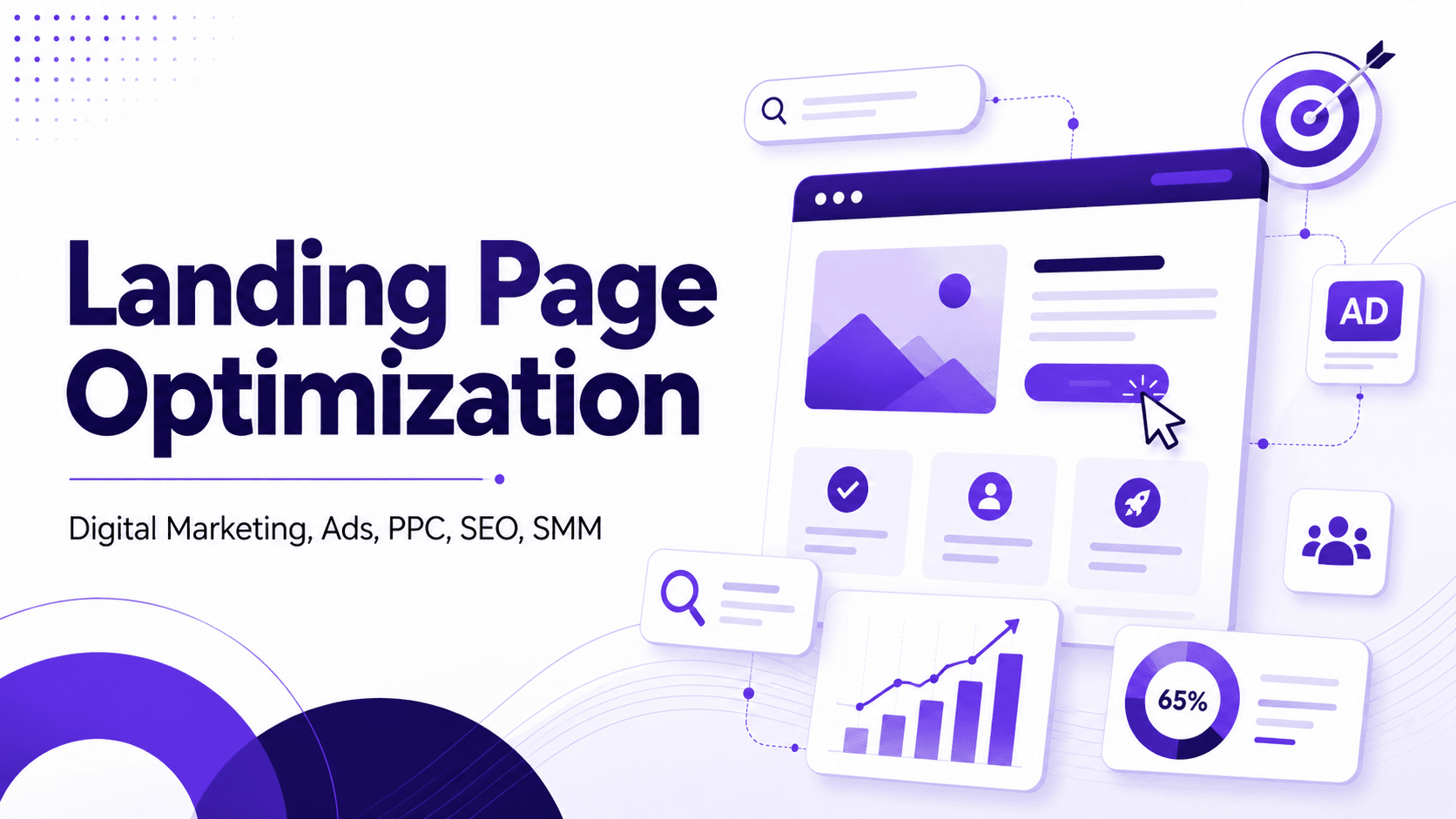
A well-designed landing page is crucial for converting visitors into customers. With the majority of online businesses relying on landing pages to drive sales, generate leads, or promote products, understanding the best practices for landing page design and optimization is essential for marketers, growth teams, and ecommerce operators. In this article, we'll explore the key elements of effective landing page design, discuss practical conversion rate optimization techniques, and provide actionable steps to improve your website's conversion rates.
Understanding Landing Page Best Practices
To create a high-converting landing page, you need to understand the principles of effective design and optimization. This includes having a clear and concise headline, a compelling value proposition, and a strong call-to-action (CTA). Your landing page should also be visually appealing, with a clean and simple layout that guides the visitor's attention towards the CTA.
Crafting a Compelling Headline
Your headline is the first thing visitors see when they land on your page. It should be clear, concise, and compelling, communicating the value of your offer and enticing visitors to read on. A good headline should be no more than 5-7 words and should include your primary keyword.
Developing a Strong Value Proposition
Your value proposition is the unique benefit that your product or service offers to customers. It should be clearly communicated on your landing page, highlighting what sets you apart from the competition and why visitors should care. A strong value proposition should be concise, yet impactful, and should resonate with your target audience.
Designing for Conversion
When it comes to designing a landing page, the goal is to create a seamless user experience that guides visitors towards the CTA. This involves using a clean and simple layout, selecting the right colors and typography, and incorporating high-quality visuals.
Using Visual Hierarchy
Visual hierarchy refers to the arrangement of elements on a page to guide the visitor's attention. By using size, color, and positioning, you can create a clear visual hierarchy that draws the visitor's eye towards the CTA.
Optimizing for Mobile
With the majority of online traffic coming from mobile devices, it's essential to optimize your landing page for mobile. This includes using a responsive design, simplifying your layout, and ensuring that your CTA is easily accessible on smaller screens.
Conversion Rate Optimization Techniques
Conversion rate optimization (CRO) involves using data and testing to improve the performance of your landing page. This includes techniques such as A/B testing, heatmap analysis, and user feedback.
A/B Testing
A/B testing involves comparing two versions of a landing page to see which one performs better. By testing different elements such as headlines, CTAs, and imagery, you can identify what works best for your audience and make data-driven decisions.
Heatmap Analysis
Heatmap analysis involves using tools to visualize how visitors interact with your landing page. By analyzing heatmaps, you can identify areas of high engagement and optimize your design accordingly.
Common Mistakes to Avoid
When designing a landing page, there are several common mistakes to avoid. These include:
- Cluttering the page with too much information
- Using a weak or unclear CTA
- Failing to optimize for mobile
- Not testing and iterating on your design
Measuring Success
To measure the success of your landing page, you need to track key metrics such as conversion rate, bounce rate, and average time on page. By analyzing these metrics, you can identify areas for improvement and make data-driven decisions.
Frequently Asked Questions
What is the ideal length for a landing page?
The ideal length for a landing page depends on the complexity of your offer and the needs of your audience. While some landing pages can be effective with a concise, above-the-fold design, others may require more detailed information to build trust and persuade visitors.
How often should I test and optimize my landing page?
You should test and optimize your landing page regularly, ideally every 3-6 months, or whenever you make significant changes to your offer or target audience.
What are the most important elements of a landing page?
The most important elements of a landing page include a clear and concise headline, a compelling value proposition, and a strong CTA.
Conclusion
Creating a high-converting landing page requires a deep understanding of effective design and optimization techniques. By following the best practices outlined in this article, you can improve your website's conversion rates and drive more sales, leads, or promotions. To take your landing page to the next level, consider using tools like BeaconMatch to analyze and optimize your design. Start by auditing your current landing page, identifying areas for improvement, and testing new designs to drive better results.