Optimize Landing Page Design for Higher Conversions

Albert Pak
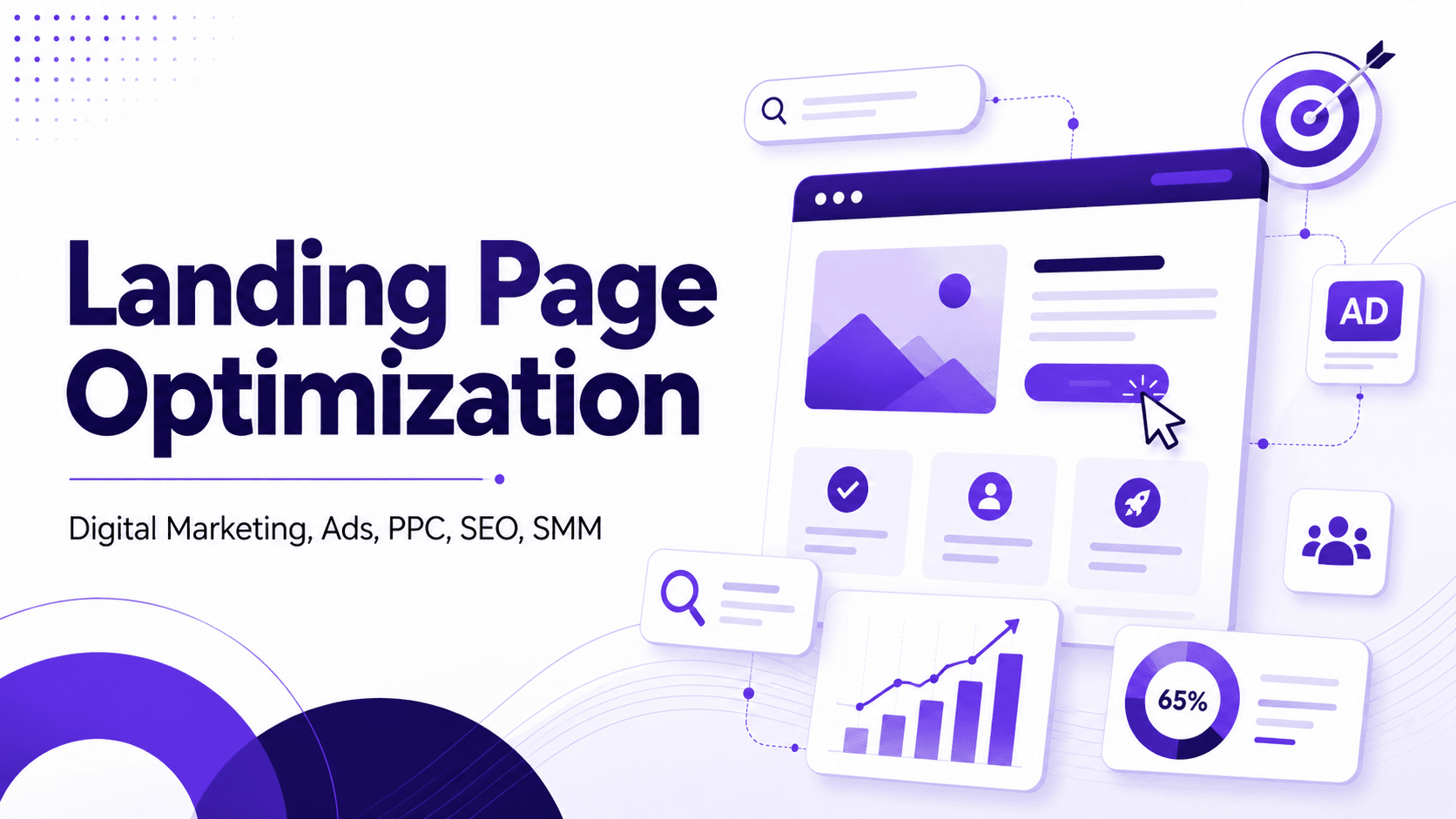
A well-designed landing page is crucial for converting visitors into customers. With the right design and optimization techniques, you can significantly improve your website's conversion rates. In this article, we'll explore the key elements of effective landing page design and provide actionable tips on how to optimize your landing pages for maximum impact.
Understanding Landing Page Design
Landing page design refers to the process of creating a webpage that is specifically designed to convert visitors into taking a desired action. This can include filling out a form, making a purchase, or subscribing to a service. A good landing page design should be visually appealing, easy to navigate, and optimized for conversions.
Key Elements of Effective Landing Page Design
To build an effective landing page, you need to focus on several key elements. These include:
- A clear and compelling headline that communicates your value proposition
- A concise and persuasive copy that resonates with your target audience
- Relevant and high-quality visuals that support your message
- A prominent and actionable call-to-action (CTA) that encourages visitors to take the desired action
- A simple and intuitive layout that makes it easy for visitors to navigate and find what they're looking for
Optimizing Your Landing Page for Conversions
Optimizing your landing page for conversions involves testing and refining different elements to improve performance. Here are some practical conversion rate optimization techniques to try:
1. Simplify Your Design
A cluttered and complex design can be overwhelming and distracting. Simplify your design by removing unnecessary elements and focusing on the key message and CTA.
2. Use Social Proof
Social proof, such as customer testimonials and reviews, can help build trust and credibility with your visitors. Use social proof strategically to reinforce your value proposition and encourage conversions.
3. Optimize Your CTA
Your CTA is a critical element of your landing page. Optimize your CTA by making it prominent, actionable, and relevant to your target audience.
4. Test and Refine
Testing and refining different elements of your landing page is crucial to optimizing performance. Use A/B testing and analytics tools to identify areas for improvement and make data-driven decisions.
Best Practices for Building Landing Pages
To build effective landing pages, follow these best practices:
- Keep your design simple and focused on the key message and CTA
- Use high-quality visuals that support your message
- Optimize your copy for clarity and persuasion
- Use social proof to build trust and credibility
- Test and refine different elements to improve performance
Common Mistakes to Avoid
When building landing pages, there are several common mistakes to avoid. These include:
- Cluttered and complex design
- Weak or unclear headline
- Lack of social proof
- Poorly optimized CTA
- Failure to test and refine different elements
Measuring Success
To measure the success of your landing page, track key metrics such as conversion rates, bounce rates, and average time on page. Use analytics tools to gain insights into visitor behavior and identify areas for improvement.
Frequently Asked Questions
What is the ideal length for a landing page?
The ideal length for a landing page depends on the complexity of your message and the needs of your target audience. Keep your content concise and focused on the key message and CTA.
How often should I test and refine my landing page?
Test and refine your landing page regularly to optimize performance. Use A/B testing and analytics tools to identify areas for improvement and make data-driven decisions.
What are some common landing page design mistakes?
Common landing page design mistakes include cluttered and complex design, weak or unclear headline, lack of social proof, poorly optimized CTA, and failure to test and refine different elements.
Conclusion
Optimizing your landing page design is crucial for converting visitors into customers. By following the tips and best practices outlined in this article, you can create effective landing pages that drive results for your business. Start by simplifying your design, using social proof, and optimizing your CTA. Then, test and refine different elements to improve performance. With the right design and optimization techniques, you can significantly improve your website's conversion rates and achieve your business goals. To generate high-converting landing pages quickly, consider using tools that help you build landing pages efficiently, such as those that allow you to create a free website landing page or generate landing pages with ease.