Boost Conversions: Effective Landing Page A/B Testing Strategies

Albert Pak
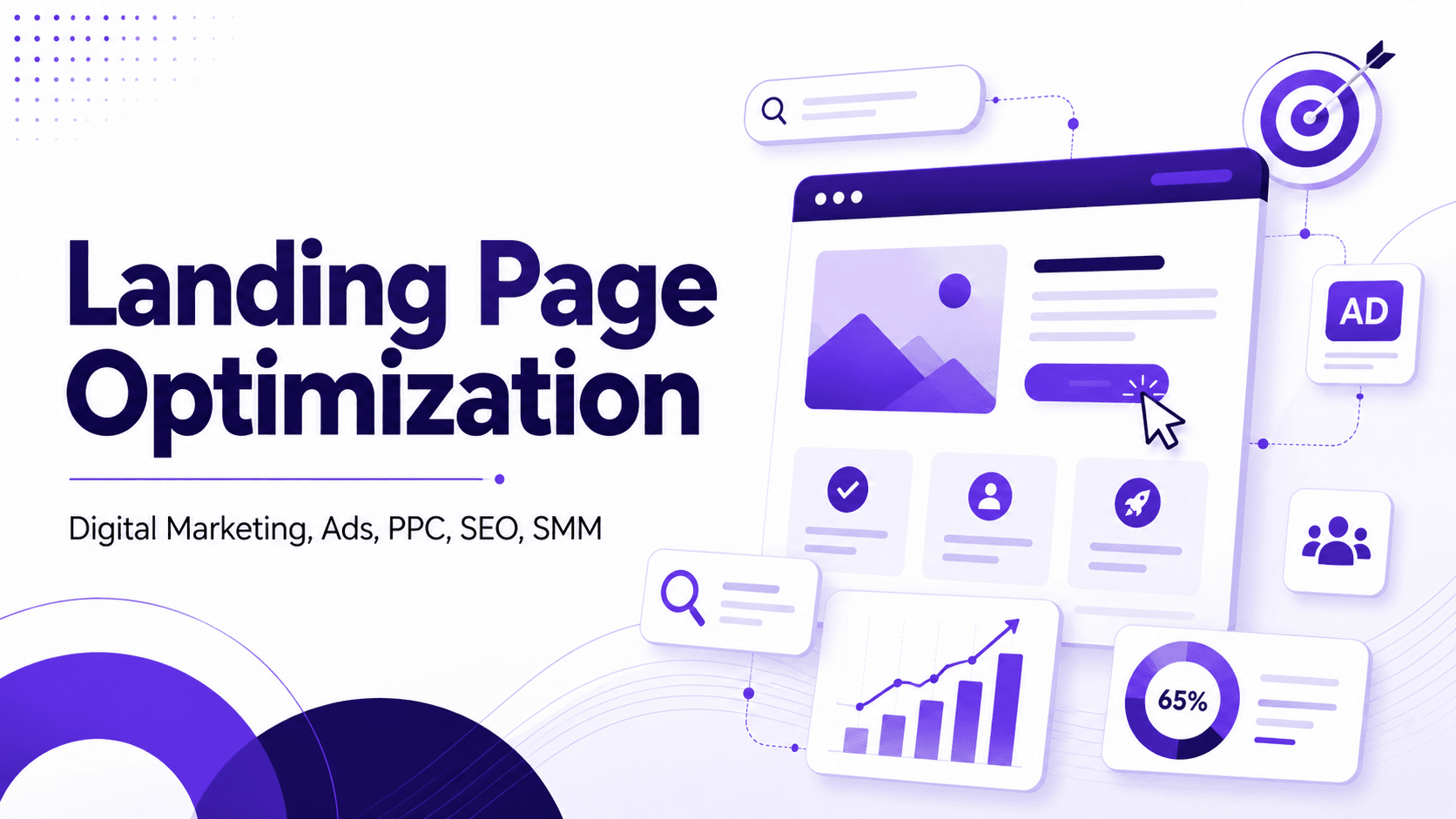
As a marketer, growth team, ecommerce operator, SaaS team, or agency strategist, you're likely no stranger to the importance of optimizing your website's conversion rates. One effective way to achieve this is through landing page A/B testing. In this article, we'll delve into the world of landing page design and optimization, exploring practical techniques, common mistakes to avoid, and measurement best practices.
Understanding Landing Page A/B Testing
Landing page A/B testing, also known as split testing, involves comparing two or more versions of a landing page to determine which one performs better in terms of conversions. This can be achieved by randomly directing a portion of your website traffic to each version and measuring the results.
Benefits of Landing Page A/B Testing
- Data-driven decision making: A/B testing allows you to make informed decisions based on actual user behavior, rather than relying on intuition or anecdotal evidence.
- Improved conversion rates: By identifying and optimizing the most effective elements of your landing page, you can increase conversions and ultimately drive more revenue.
- Enhanced user experience: A/B testing can help you identify areas where your landing page is falling short, enabling you to make targeted improvements that enhance the overall user experience.
Key Elements to Test on Your Landing Page
When it comes to landing page A/B testing, there are several key elements to consider. These include:
1. Headlines and Copy
Your headline is often the first thing visitors see on your landing page, making it a crucial element to test. Try experimenting with different headline variations, tone, and length to see what resonates best with your audience.
2. Visuals and Imagery
The images and visuals on your landing page can significantly impact user engagement. Test different image types, sizes, and placements to determine what works best for your audience.
3. Calls-to-Action (CTAs)
Your CTA is a critical element that drives conversions. Experiment with different CTA text, color, size, and placement to optimize its effectiveness.
4. Form Fields and Layout
For landing pages with forms, testing different field layouts and the number of fields can help improve completion rates.
Practical Steps for Implementing A/B Testing
To get started with A/B testing, follow these steps:
- Identify your goals: Clearly define what you want to achieve through A/B testing, whether it's increasing conversions, reducing bounce rates, or improving user engagement.
- Choose a testing tool: Select a reputable A/B testing tool that integrates with your website and analytics platform.
- Develop a hypothesis: Based on your goals and user feedback, formulate a hypothesis about what changes will improve your landing page's performance.
- Create test variations: Design and develop the different versions of your landing page that you want to test.
- Run the test: Launch your A/B test and ensure that it's running correctly.
- Analyze the results: Once the test is complete, analyze the results to determine the winning variation.
Common Mistakes to Avoid in A/B Testing
- Testing too many variables at once: This can make it difficult to determine which specific change is driving the results.
- Not testing for statistically significant results: Ensure that your test results are statistically significant to avoid making decisions based on chance.
- Not allowing the test to run for a sufficient duration: Tests should run for a sufficient amount of time to capture a representative sample of user behavior.
Measuring the Success of Your A/B Tests
To measure the success of your A/B tests, track key metrics such as:
- Conversion rates: The primary metric for evaluating the success of your A/B test.
- Click-through rates: Measuring the effectiveness of your CTAs and other interactive elements.
- Bounce rates: Understanding how changes to your landing page impact user engagement.
Frequently Asked Questions
What is the ideal sample size for A/B testing?
The ideal sample size depends on various factors, including your website traffic, desired level of statistical significance, and the expected lift in conversions.
How long should I run an A/B test?
The duration of an A/B test depends on your website traffic, the complexity of the test, and the desired level of statistical significance. As a general rule, tests should run for at least a week to capture a representative sample of user behavior.
Can I run multiple A/B tests simultaneously?
While it's technically possible to run multiple A/B tests at the same time, it's generally recommended to prioritize and sequence your tests to avoid potential interactions between different test variations.
Conclusion
Landing page A/B testing is a powerful technique for optimizing your website's conversion rates. By understanding the key elements to test, following practical steps for implementation, and avoiding common mistakes, you can unlock the full potential of A/B testing. Start by identifying a key element to test on your landing page, and use the insights gained to inform future optimization efforts. With BeaconMatch, you can further refine your landing page design and optimization strategy to drive meaningful results.