Landing Page Design and Optimization: Key Elements for Conversion

Albert Pak
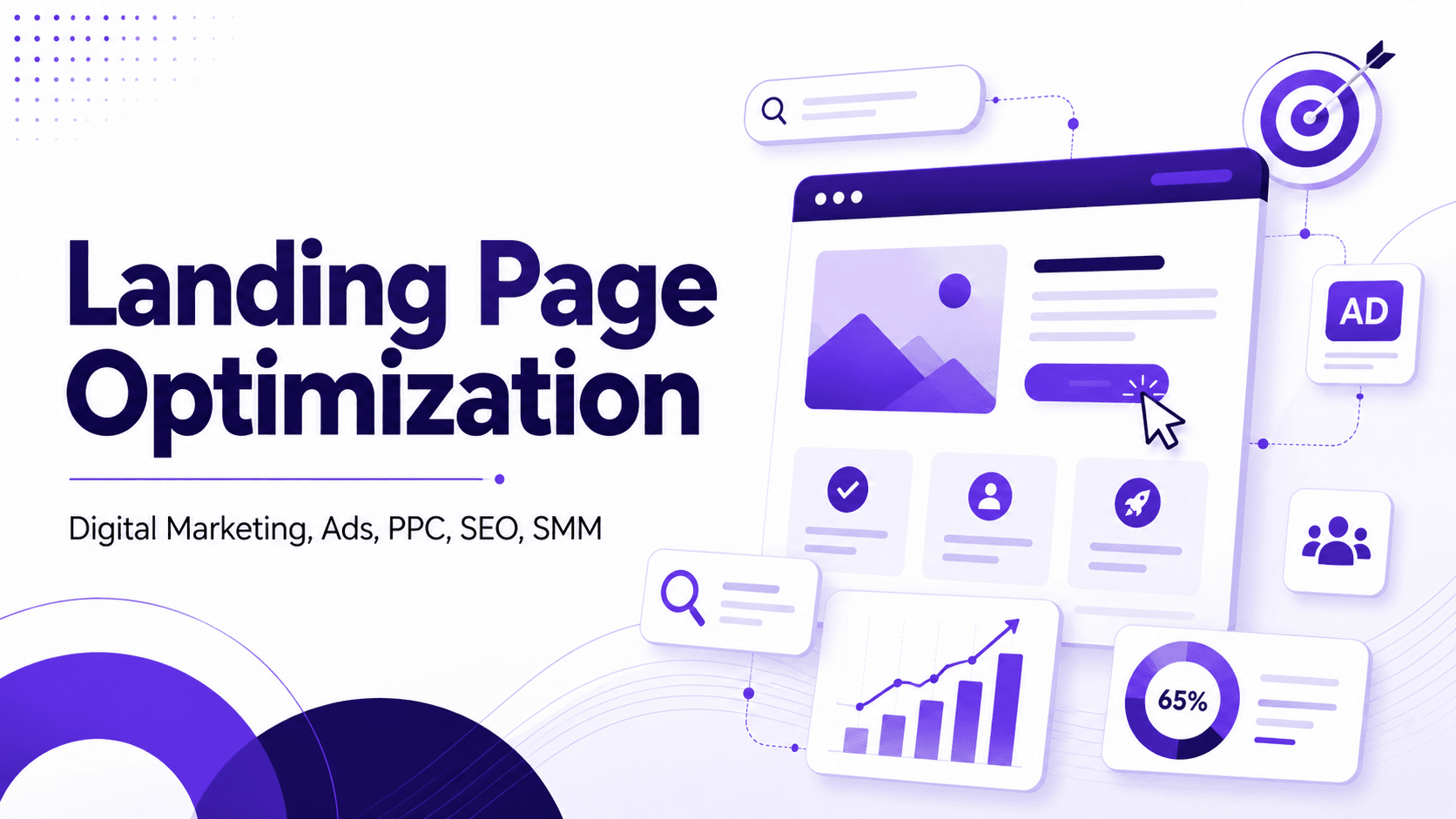
A well-designed landing page is crucial for converting visitors into customers. With the rise of digital marketing, landing pages have become a key component of any successful online campaign. In this article, we'll explore the key elements of a landing page, how to structure and optimize it for maximum conversion, and provide actionable tips for marketers, growth teams, ecommerce operators, SaaS teams, and agency strategists.
Understanding the Anatomy of a Landing Page
A landing page is a standalone web page designed to convert visitors into taking a specific action. To achieve this, it's essential to understand the anatomy of a landing page. The structure and components of a landing page play a critical role in determining its effectiveness.
Key Components of a Landing Page
- Headline: A clear and concise headline that communicates the value proposition.
- Subheading: A supporting subheading that provides additional context and reinforces the headline.
- Visuals: Relevant images, videos, or graphics that help to illustrate the message and capture the visitor's attention.
- Call-to-Action (CTA): A prominent CTA that directs the visitor to take the desired action.
- Form: A simple and intuitive form that collects relevant information from the visitor.
- Social Proof: Customer testimonials, reviews, or ratings that build trust and credibility.
Structuring a Landing Page for Maximum Conversion
To structure a landing page for maximum conversion, it's essential to follow a logical and coherent design. Here are some best practices to follow:
- Keep it Simple and Focused: Avoid clutter and ensure that the page is focused on a single message or offer.
- Use a Clear and Concise Headline: Communicate the value proposition clearly and concisely.
- Use Visuals to Support the Message: Use relevant images, videos, or graphics to help illustrate the message and capture the visitor's attention.
- Make the CTA Prominent: Ensure that the CTA is prominent and directs the visitor to take the desired action.
- Optimize for Mobile: Ensure that the landing page is optimized for mobile devices to cater to a wider audience.
Optimizing Landing Page Elements for Conversion
To optimize landing page elements for conversion, it's essential to test and iterate on different variations. Here are some tips to follow:
- Test Different Headlines and CTAs: Test different headlines and CTAs to determine which ones perform better.
- Use A/B Testing: Use A/B testing to compare different variations of the landing page and determine which one performs better.
- Use Heatmaps and Analytics: Use heatmaps and analytics to understand how visitors interact with the landing page and identify areas for improvement.
- Optimize for Page Speed: Ensure that the landing page loads quickly to improve user experience and conversion rates.
Common Mistakes to Avoid
- Cluttered Design: Avoid cluttered design that can distract the visitor from the main message.
- Weak CTA: Avoid a weak or unclear CTA that can confuse the visitor.
- Lack of Social Proof: Avoid a lack of social proof that can erode trust and credibility.
Measuring Landing Page Performance
To measure landing page performance, it's essential to track key metrics such as conversion rates, bounce rates, and average time on page. Here are some tips to follow:
- Use Analytics Tools: Use analytics tools such as Google Analytics to track key metrics and understand visitor behavior.
- Track Conversion Rates: Track conversion rates to determine the effectiveness of the landing page.
- Monitor Bounce Rates: Monitor bounce rates to identify areas for improvement.
Frequently Asked Questions
What is the ideal length of a landing page?
The ideal length of a landing page depends on the complexity of the offer and the target audience. A simple landing page can be as short as a few hundred words, while a more complex offer may require a longer page.
How often should I test and optimize my landing page?
It's essential to test and optimize your landing page regularly to ensure that it remains effective. Aim to test and optimize your landing page at least once a quarter.
What are the most important elements of a landing page?
The most important elements of a landing page include a clear and concise headline, a prominent CTA, and social proof.
Conclusion
Creating a high-converting landing page requires a deep understanding of the target audience, a clear and concise message, and a well-designed structure. By following the tips and best practices outlined in this article, marketers, growth teams, ecommerce operators, SaaS teams, and agency strategists can create landing pages that drive real results. The next step is to start testing and optimizing your landing page to maximize ROI. With BeaconMatch, you can create and optimize landing pages that drive conversions and revenue.