Boost Your Online Presence: Proven Search Engine Optimization Strategies

Albert Pak
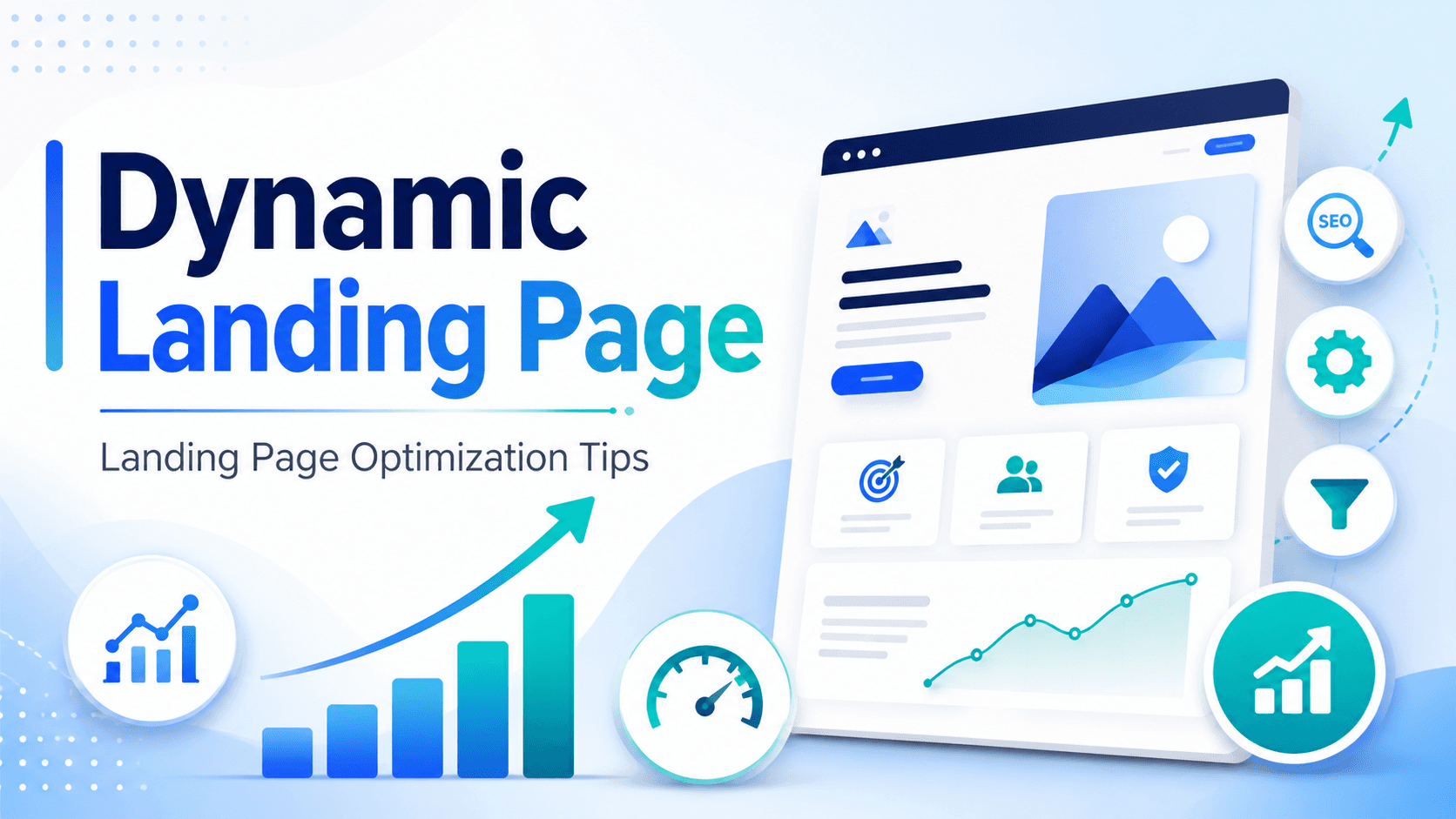
In today's digital landscape, having a website is just the first step. To truly succeed online, you need to ensure that your website is visible to your target audience. This is where search engine optimization (SEO) comes into play. With the majority of online users turning to Google for their search queries, ranking your website on this search engine giant is crucial. In this article, we'll explore proven SEO strategies to help you improve your website's ranking and drive more conversions.
Understanding Google's Ranking Algorithm
Google's ranking algorithm is a complex system that evaluates numerous factors to determine the relevance and authority of a website. While the exact algorithm is not publicly known, we can infer from Google's guidelines and industry observations that it considers factors such as content quality, keyword usage, user experience, and backlinks.
Key Factors Influencing Google Rankings
- Content Quality and Relevance: High-quality, engaging, and informative content that addresses the user's search query is essential.
- Keyword Optimization: Strategic use of relevant keywords in your content, meta tags, and titles can improve your website's visibility.
- User Experience: A website that is mobile-friendly, has fast loading speeds, and is easy to navigate enhances user experience and is favored by Google.
- Backlinks and Authority: Links from authoritative sites can significantly boost your website's credibility and ranking.
Practical SEO Strategies for Better Rankings
To rank your website on Google, you need to adopt a multi-faceted SEO approach that includes both on-page and off-page optimization techniques.
On-Page Optimization
- Conduct Keyword Research: Identify relevant keywords and phrases your target audience uses.
- Optimize Meta Tags and Titles: Use your target keywords in meta titles, descriptions, and headings.
- Create High-Quality Content: Develop content that is valuable, informative, and engaging.
- Improve User Experience: Ensure your website is mobile-friendly, has a clear structure, and loads quickly.
Off-Page Optimization
- Build High-Quality Backlinks: Obtain links from authoritative and relevant websites.
- Leverage Social Media: Promote your content on social media platforms to increase visibility and drive traffic.
- Local SEO: For local businesses, optimize your website for local search by including your business in local directories and using location-specific keywords.
Measuring and Improving Your SEO Efforts
To ensure the effectiveness of your SEO strategies, it's crucial to monitor your website's performance regularly.
Key Metrics to Track
- Google Rankings: Monitor your website's position for target keywords.
- Organic Traffic: Track the number of visitors coming from search engines.
- Conversion Rates: Measure the percentage of visitors who complete a desired action.
Tools for SEO Analysis
- Google Analytics: Provides insights into your website's traffic, engagement, and conversion metrics.
- Google Search Console: Helps you understand your website's search engine performance and identify areas for improvement.
- SEO Audit Tools: Utilize tools like those offered by BeaconMatch to analyze your website's SEO health and receive recommendations for improvement.
Frequently Asked Questions
How long does it take to see improvements in Google rankings?
Improvements in Google rankings can vary depending on several factors, including the quality of your SEO efforts, the competitiveness of your niche, and the current state of your website. Generally, noticeable improvements can be seen within a few weeks to a few months.
Is SEO a one-time task or an ongoing process?
SEO is an ongoing process. Search engines continually update their algorithms, and your competitors are also working to improve their SEO. Regularly updating your content, building new backlinks, and adapting to algorithm changes are necessary to maintain and improve your rankings.
Conclusion
Ranking your website on Google requires a comprehensive and ongoing SEO strategy. By understanding Google's ranking algorithm, implementing practical on-page and off-page optimization techniques, and continually measuring and improving your efforts, you can enhance your website's visibility and drive more conversions. Start by conducting a thorough SEO audit of your website and identifying areas for improvement. With persistence and the right strategies, you can achieve a higher ranking on Google and reap the benefits of increased online visibility.