Optimize Event Landing Page Design for Higher Conversions

Albert Pak
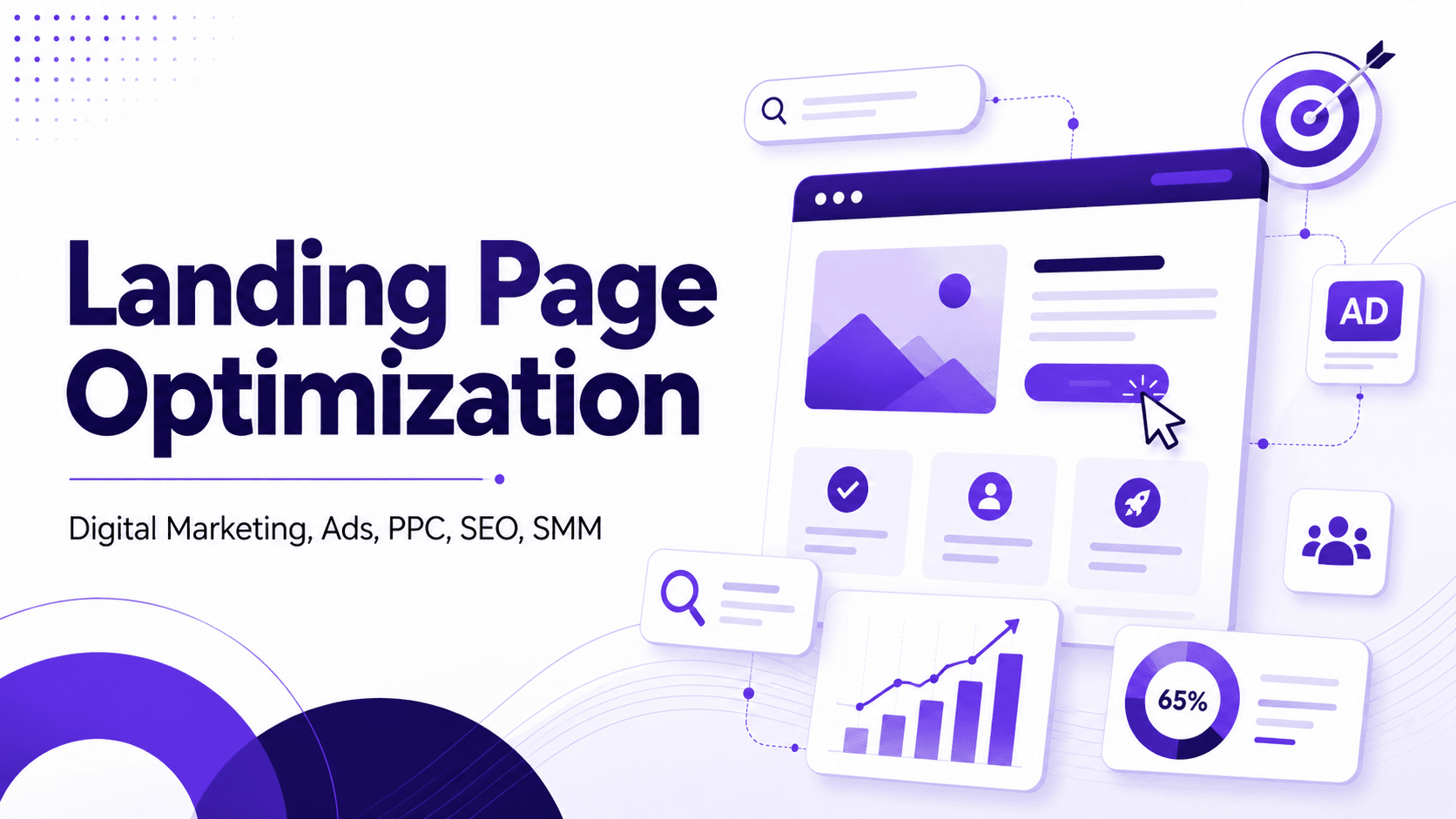
Creating an effective event landing page is crucial for driving registrations and conversions. A well-designed landing page can make all the difference in the success of your event. In this article, we'll explore the key elements of event landing page design and optimization, providing you with actionable tips and best practices to improve your website's conversion rates.
Understanding the Importance of Event Landing Pages
Event landing pages serve as a dedicated destination for potential attendees to learn about and register for your event. A well-crafted landing page can help you achieve your event goals by providing a clear and compelling call-to-action (CTA). To create an effective event landing page, you need to understand your target audience and tailor your content and design accordingly.
Key Elements of Event Landing Page Design
Clear and Concise Headline
Your headline should be attention-grabbing and clearly communicate the value proposition of your event. It should be concise, yet informative, and entice visitors to read further.
Compelling Visuals
High-quality visuals, such as images or videos, can help to create an immersive experience and make your event more appealing. Use relevant and engaging visuals that align with your event's tone and theme.
Event Details
Provide essential event details, including date, time, location, and agenda. Make sure this information is easily accessible and prominently displayed on your landing page.
Registration and Call-to-Action
A clear and prominent CTA is crucial for driving registrations. Use action-oriented language and make sure your CTA stands out from the rest of the content.
Social Proof
Incorporate social proof, such as testimonials or reviews, to build credibility and trust with potential attendees. This can help to alleviate any concerns and increase the likelihood of registration.
Optimizing Your Event Landing Page
Mobile-Friendliness
Ensure that your event landing page is optimized for mobile devices. With the majority of users accessing websites through mobile, a mobile-friendly design is crucial for providing a seamless user experience.
Page Loading Speed
Optimize your page loading speed to improve user experience and reduce bounce rates. Ensure that your images are compressed, and your code is clean and efficient.
A/B Testing
Conduct A/B testing to identify areas for improvement and optimize your landing page for better conversions. Test different elements, such as CTAs, headlines, and visuals, to determine what works best for your audience.
Analytics and Tracking
Use analytics tools to track your landing page's performance and identify areas for improvement. Monitor metrics such as conversion rates, bounce rates, and average session duration to gain insights into user behavior.
Best Practices for Event Landing Page Design
Keep it Simple and Concise
Avoid cluttering your landing page with too much information. Keep your content concise and focused on the essential details.
Use a Clear and Consistent Layout
Use a clear and consistent layout to make your content easy to navigate. Ensure that your CTAs are prominently displayed and stand out from the rest of the content.
Use Action-Oriented Language
Use action-oriented language throughout your landing page to drive registrations and conversions. Use verbs such as "Register Now" or "Sign Up Today" to create a sense of urgency.
Common Mistakes to Avoid
Poor Mobile Optimization
Failing to optimize your landing page for mobile devices can result in a poor user experience and reduced conversions.
Lack of Clear CTAs
Failing to provide a clear and prominent CTA can confuse visitors and reduce the likelihood of registration.
Too Much Information
Overwhelming visitors with too much information can lead to analysis paralysis and reduced conversions.
Measuring Success
Conversion Rates
Monitor your conversion rates to determine the effectiveness of your event landing page. Use analytics tools to track registrations and identify areas for improvement.
Bounce Rates
Monitor your bounce rates to identify potential issues with your landing page's design or content.
Average Session Duration
Monitor your average session duration to gain insights into user behavior and identify areas for improvement.
Frequently Asked Questions
What is the most important element of an event landing page?
The most important element of an event landing page is a clear and prominent call-to-action (CTA).
How can I optimize my event landing page for mobile devices?
Ensure that your landing page is responsive and adapts to different screen sizes. Use mobile-friendly design elements and test your page on various devices.
What are some common mistakes to avoid when designing an event landing page?
Common mistakes to avoid include poor mobile optimization, lack of clear CTAs, and too much information.
Conclusion
Creating an effective event landing page requires careful consideration of design and optimization elements. By following the tips and best practices outlined in this article, you can improve your website's conversion rates and drive more registrations for your event. Start optimizing your event landing page today and see the difference for yourself. With a well-designed and optimized landing page, you can take your event to the next level and achieve your goals.