Maximize ROI with Cost Per Click Advertising: A Comprehensive Guide

Albert Pak
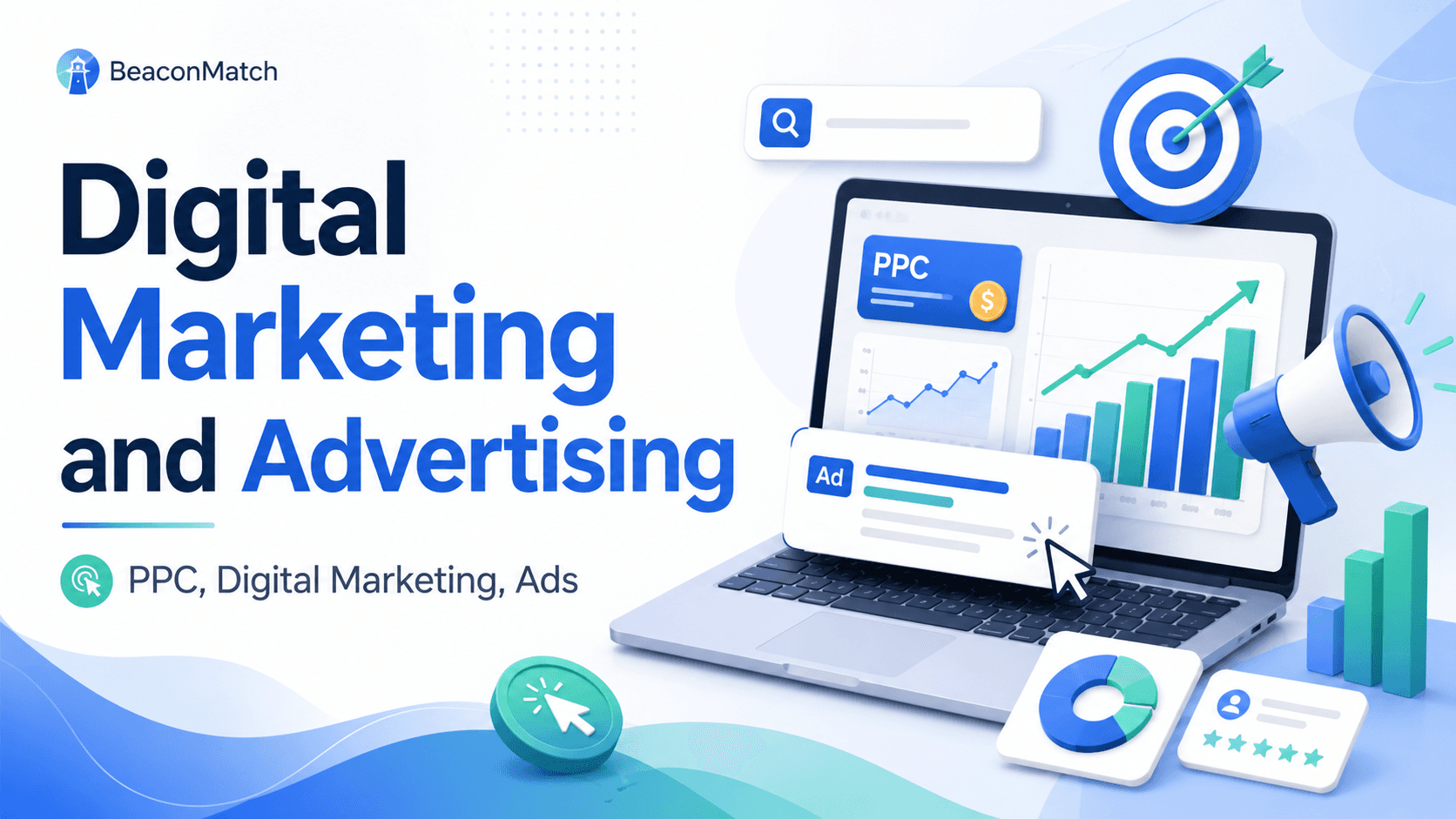
Understanding Cost Per Click Advertising
Cost per click (CPC) advertising is a form of paid advertising where advertisers pay each time a user clicks on their ad. It's a key component of pay-per-click (PPC) campaigns, allowing businesses to drive traffic to their websites and increase conversions. With CPC advertising, the cost is directly tied to the ad's performance, making it a potentially cost-effective way to reach target audiences.
How CPC Advertising Works
In a CPC model, advertisers bid on specific keywords or ad placements. When a user searches for the targeted keyword or visits a webpage with the targeted ad placement, the advertiser's ad is displayed. If the user clicks on the ad, the advertiser is charged the bid amount or a slightly lower amount based on the auction dynamics. The goal is to create ads that are relevant and appealing to the target audience, thereby increasing the likelihood of clicks and conversions.
Benefits of CPC Advertising
- Measurable ROI: With CPC advertising, you can track the performance of your ads in real-time, allowing for data-driven decisions to optimize your campaigns.
- Targeted Reach: CPC advertising platforms, such as Google Ads, offer advanced targeting options to ensure your ads are seen by the most relevant audience.
- Flexibility: CPC campaigns can be adjusted quickly in response to performance data, enabling advertisers to optimize their spend and improve ROI.
Strategies for Optimizing CPC Campaigns
Keyword Research and Selection
Effective CPC campaigns start with thorough keyword research. Identify relevant keywords with high search volume and reasonable competition. Tools like Google Keyword Planner can help in this process. It's also crucial to consider long-tail keywords, which can offer lower CPCs and higher conversion rates due to their specificity.
Ad Copywriting
Crafting compelling ad copy is vital for driving clicks. Ensure your ads are clear, concise, and include a strong call-to-action (CTA). Highlighting unique selling points and promotions can also improve ad performance.
Landing Page Optimization
The landing page experience is critical for converting clicks into customers. Ensure that your landing pages are relevant to the ad copy, load quickly, and are optimized for conversions. A/B testing different elements of your landing pages can help identify the most effective design and content.
Best Practices for CPC Advertising
- Monitor and Adjust Bids: Regularly review your CPC campaigns and adjust bids based on performance data to ensure you're getting the best ROI.
- Use Negative Keywords: Implementing negative keywords can help prevent your ads from appearing in irrelevant searches, reducing wasted spend.
- Optimize for Mobile: With a significant portion of web traffic coming from mobile devices, ensure your ads and landing pages are mobile-friendly.
Common Mistakes to Avoid
- Not Setting Clear Goals: Before launching a CPC campaign, define what you want to achieve, whether it's driving sales, generating leads, or increasing brand awareness.
- Ignoring Ad Extensions: Ad extensions can enhance your ads with additional information, improving visibility and click-through rates.
- Failing to Optimize Landing Pages: Ensure your landing pages are aligned with your ad copy and are designed to convert visitors into customers.
Measuring Success
To gauge the effectiveness of your CPC campaigns, track key performance indicators (KPIs) such as click-through rate (CTR), conversion rate, and cost per acquisition (CPA). Analyzing these metrics will help you understand what's working and where improvements can be made.
Frequently Asked Questions
What is a good average CPC?
The average CPC varies widely depending on the industry, ad placement, and targeting options. Research your specific market to determine a competitive CPC.
How can I lower my CPC?
Improving ad relevance, using long-tail keywords, and optimizing your landing pages can help lower your CPC.
Is CPC advertising suitable for all businesses?
CPC advertising can be beneficial for many businesses, especially those with a clear target audience and measurable conversion goals. However, it's essential to monitor and optimize campaigns regularly to ensure a positive ROI.
Conclusion
Cost per click advertising is a powerful tool for driving targeted traffic to your website and increasing conversions. By understanding how CPC advertising works, implementing effective strategies, and following best practices, you can maximize your ROI. Start by defining your goals, conducting thorough keyword research, and crafting compelling ad copy. With ongoing optimization and a focus on delivering a great user experience, you can achieve success with CPC advertising. Take the next step by launching or optimizing your CPC campaigns today.